As we navigate the vast world of dietary supplements, it's essential to comprehend what we're introducing into our bodies. The key to accessing this information lies in understanding supplement labels. We've all been there – standing in the store, overwhelmed by the endless options and confusing terminology. But, by learning to decipher the language of supplement labels, we can make informed choices that align with our health goals. So, let's get started and take a closer look at what's truly inside that bottle. We're about to unveil the secrets behind those labels and empower ourselves to make the best decisions for our well-being.
Some of the links in this content may be affiliate links. If you make a purchase through these links, we may earn a small commission at no extra cost to you. Thank you.
Understanding Supplement Labels
As we explore the world of supplements, one of the most critical steps we can take is understanding supplement labels. The Supplement Facts panel on labels provides key information like serving size, ingredients, and nutrient amounts. Here, we can find the serving size, which helps us determine the proper dosage, and the % Daily Value (%DV), which indicates the nutrient contribution per serving.
We should also scan the ingredients list to check the product contains what we're looking for and doesn't contain any unwanted additives. Moreover, we need to check for allergen details, which are often listed separately.
By understanding these labels, we can compare products, make informed choices, and ensure proper handling and consumption. Reading supplement labels is essential for avoiding harmful ingredients, tracking nutrient intake, and maintaining a balanced diet.
Evaluating Supplement Quality
When we're selecting a supplement, we're not just examining the ingredients – we're also making a judgment about the quality of the product itself. We want to know that the supplement is safe, effective, and meets our standards. In the US, supplements must adhere to Current Good Manufacturing Practices (CGMPs) for strength, purity, and composition. However, we still need to do our due diligence to verify the supplement meets our quality expectations.
One way to gauge supplement quality is by looking for third-party testing from organizations like NSF International and USP. These organizations verify the purity and potency of the supplement through rigorous testing. We can also search for certification seals on labels, such as the NSF Certified for Sport or the USP Verified mark, which provide added assurance of the supplement's quality.
Some supplements even offer a Certificate of Analysis (COA) for third-party testing confirmation. This additional layer of transparency can give us confidence in the supplement's quality.
With limited FDA regulation compared to drugs, quality assurance is crucial when it comes to supplements. By conducting our research and looking for these indicators, we can make informed decisions about the supplements we select.
Reading Supplement Ingredients

When we examine a supplement label, we need to understand the key components that make up the product. The component list is ordered by predominance, with the highest amounts appearing first, giving us a clear picture of the primary elements. By focusing on this list, we can identify the essential components and guarantee they align with our health goals and preferences.
Key Ingredients List
Five key components make up the foundation of a supplement label: the key ingredients list, nutrition facts, serving size, warnings, and manufacturer information. When it comes to the key ingredients list, we're interested in what's actually in the supplement. This list shows the components in order of predominance, with the highest amounts listed first.
Here's what we're looking for in the key ingredients list:
- Additives: fillers, sweeteners, or preservatives that may affect the supplement's efficacy or our health.
- Allergens: common allergens like milk, eggs, and peanuts that can cause adverse reactions.
- Artificial ingredients: colors, sweeteners, or flavorings that may not align with our personal preferences.
Ingredient Order Matters
Most supplement labels list ingredients in order of predominance, with the highest amounts first, which provides valuable insight into the most significant components of the product. By understanding the ingredient order, we can identify the primary components and guarantee the quality of the supplement. This is especially important when it comes to avoiding fillers, artificial additives, and other unwanted extras.
| Ingredient Type | What it Means |
|---|---|
| Highest Amount | Primary component, likely to have the greatest impact on the supplement's effectiveness |
| Middle Ingredients | Supporting components that may enhance the primary ingredient's effects or provide additional benefits |
| Lowest Amounts | Fillers, sweeteners, or preservatives that may dilute the active ingredients or affect overall quality |
When reading supplement labels, we need to pay attention to the ingredient order to make informed choices. We can assess the purity and potency of supplements, ensuring they align with our health goals. By scrutinizing the ingredient list, we can identify artificial colors, sweeteners, or flavorings and make choices that support our well-being.
Supplement Terminology Explained
We've all seen them: rows of supplements on store shelves with labels touting various terms that sound impressive but may not mean what we think they do. When it comes to reading supplement labels, understanding the terminology is essential.
- Natural supplements: These may sound like a safe bet, but they can still contain questionable ingredients. The term "natural" simply means no artificial or synthetic ingredients, so always verify the ingredients list.
- Organic supplements: If you're looking for a more regulated option, opt for certified organic supplements. These products display a green seal with the USDA logo, ensuring they adhere to National Organic Program regulations.
- Food-based or whole food supplements: Be cautious with these, as they may contain synthetic ingredients despite their name. Always check the label for clarity.
Additionally, be wary of terms like "allergen-free" as they aren't regulated by the FDA, and cross-contamination may still occur. For those with gluten sensitivities, opt for certified gluten-free supplements to avoid potential reactions. By understanding what these terms really mean, we can make informed decisions when reading supplement labels.
Health Claims and Allergens
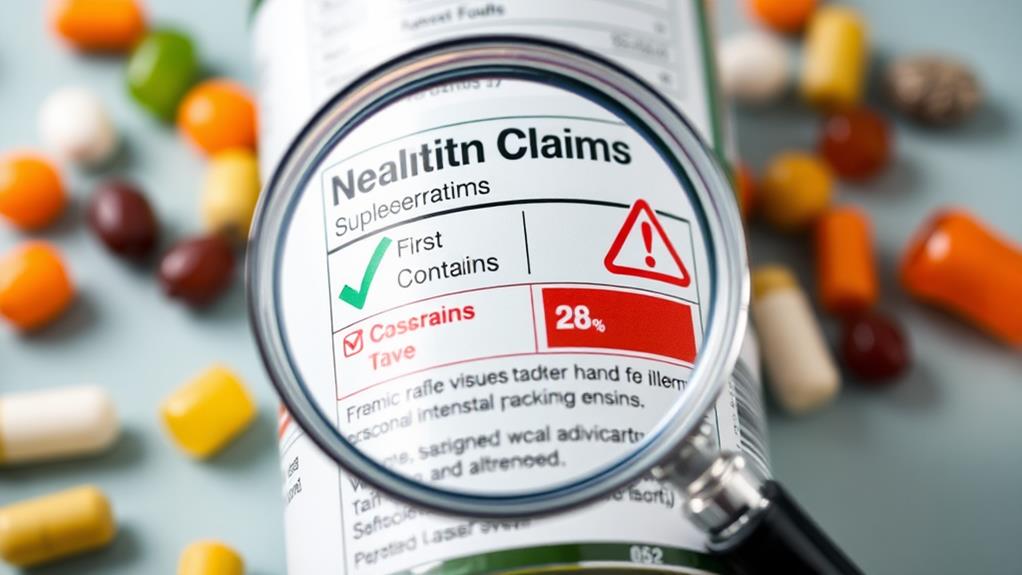
When exploring the world of supplements, being mindful of the health claims and potential allergens listed on the label is essential, as these can greatly impact our well-being. As we examine supplement labels, it's important to pay close attention to the allergen information. We should be on the lookout for major food allergens like milk, eggs, and peanuts, which can cause severe reactions.
Be cautious of terms like "allergen-free," as these aren't regulated by the FDA, and cross-contamination may still occur. Instead, we should always review the ingredients list for potential allergens to avoid adverse reactions. A clear indication of allergens can usually be found in the "Contains" section on supplement labels.
For individuals with food allergies, carefully reading supplement labels is crucial to prevent allergic reactions. By being informed and vigilant, we can make safer choices and prioritize our health.
Analyzing Supplement Facts
Across the supplement label, our attention is drawn to the Supplement Facts panel, where essential details about the product's nutritional content are laid out for our review. This panel provides a detailed overview of the supplement's composition, allowing us to make informed decisions about our health. We should start by examining the serving size, which indicates the recommended intake quantity for the supplement.
When reviewing the Supplement Facts label, we should consider the following key points:
- Nutrient amounts: Check the quantity of each nutrient in a serving, ensuring it meets our nutritional needs.
- Daily Value: Understand how much a nutrient in a serving contributes to our daily diet, helping us avoid excessive intake.
- Ingredients: Verify the list of components, which are typically displayed in order of predominance, with the highest amounts first.
Identifying Supplement Essentials
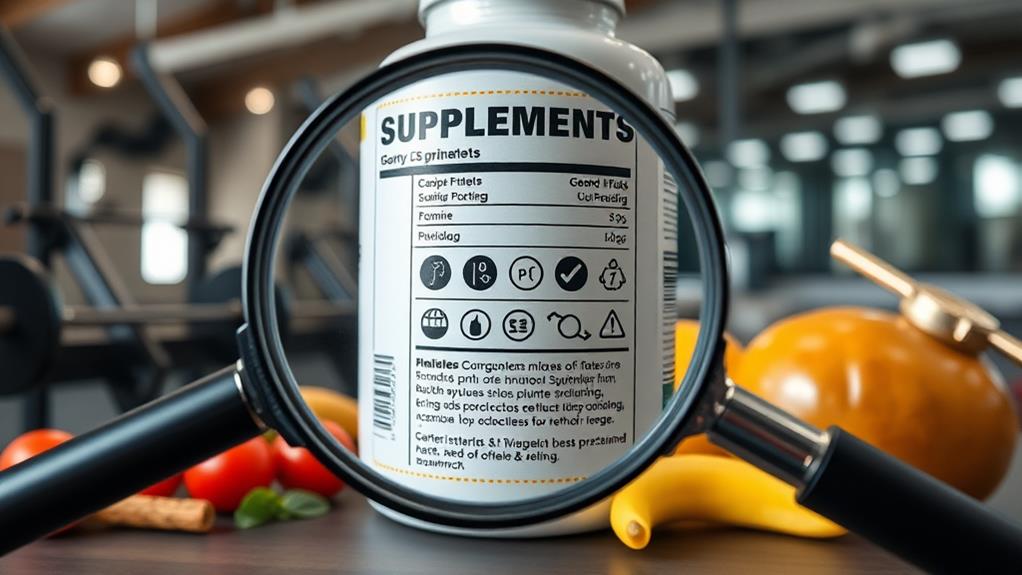
As we explore the Supplement Facts panel, it's crucial to identify the essential elements that inform our supplement choices. We need to understand what we're putting in our bodies, and that starts with reading the label correctly.
The serving size and number of servings per container help us determine the right amount to take, while the ingredient list reveals what's in each serving. We should check the Daily Value (%DV) to make sure we're not exceeding recommended levels of each nutrient.
The ingredient list is essential, as it shows the predominance of each ingredient, with the highest amounts first. This helps us avoid potential allergens or harmful additives.
Avoiding Common Pitfalls
As we read supplement labels, we need to be aware of false health claims that promise unrealistic results, hidden ingredients that can impact the product's quality, and misleading labels that exaggerate benefits.
We've got to stay vigilant and recognize red flags, such as exaggerated language or unsubstantiated claims, to avoid falling prey to deceitful marketing tactics.
False Health Claims
When we're searching for supplements, it's essential that we scrutinize the labels carefully, since false health claims can be lurking in the fine print. False health claims on supplement labels can be illegal, misleading, and even dangerous. Be cautious of supplements claiming to cure diseases, as this is illegal in the US. We should also be wary of supplements claiming to treat specific conditions without scientific evidence to support their claims. Misleading health claims can lead us to believe supplements can replace medical treatments, posing health risks.
Here are three red flags to watch out for:
- Unproven claims: If a supplement makes a claim that sounds too good to be true, it probably is.
- Lack of scientific evidence: If there's no science to back up a supplement's claims, it's best to avoid it.
- Bold health promises: Be skeptical of supplements making bold health promises, and always consult a healthcare provider before trying them.
Hidden Ingredients
Several popular supplements contain hidden components that can undermine our health goals or even trigger allergic reactions. These hidden components can be fillers, artificial colors, flavors, and preservatives that may not offer any benefits to our health. Some supplements might even contain concealed sugars or high amounts of certain nutrients, which can be harmful if consumed excessively.
| Hidden Component | Potential Risk |
|---|---|
| Artificial colors | Allergic reactions, hyperactivity |
| Fillers | Reduced efficacy, gastrointestinal issues |
| Unnecessary additives | Interference with medication, nutrient imbalance |
When examining the ingredients list, we need to be vigilant and look out for terms like "proprietary blends" or "other components" that may conceal the true composition of the supplement. By understanding and identifying these hidden components, we can make informed choices and select supplements that align with our health goals. Remember, it's essential to be aware of what we're putting into our bodies to safeguard our safety and well-being.
Misleading Labels
While we're vigilant about hidden ingredients, we also need to be cautious of misleading labels that can lead us astray. Manufacturers may use tactics to make their products appear more appealing or effective than they actually are.
Here are three common pitfalls to watch out for:
- Exaggerated health claims: Be wary of labels that claim to treat or cure diseases. The FDA prohibits supplements from making such claims, and any product that does so is likely misleading.
- Misleading terms: Don't be swayed by labels that boast "natural" or "organic" ingredients. These terms may not always indicate quality or purity.
- Flashy packaging and additives: Be cautious of products with excessive additives, fillers, sweeteners, or preservatives, as they may dilute the potency and effectiveness of the product. Flashy packaging or marketing tactics may also prioritize aesthetics over accurate and transparent labeling.
Making Informed Choices
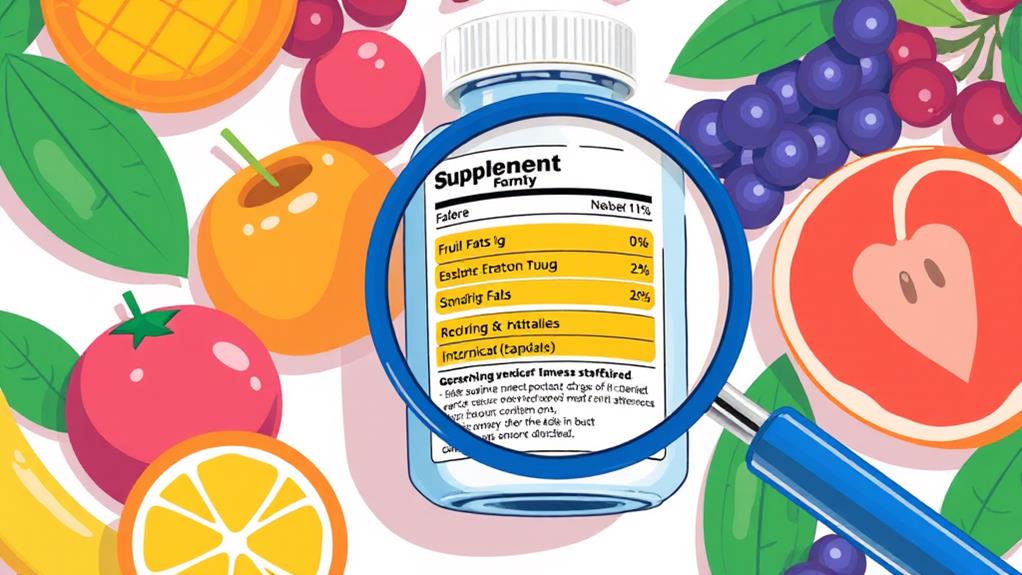
How do we secure we're getting the most out of our supplements and avoiding potential pitfalls? By making informed choices, we can secure we're getting the nutrients we need without compromising our health. One key aspect of making informed choices is understanding the label.
We need to check the serving size to know how much to take, and the percent Daily Value (%DV) to assess the nutrient contribution per serving. We also need to scrutinize the ingredients list, which is organized by predominance, to identify any potential allergens or unwanted ingredients.
Beyond the label, we should look for third-party certifications and quality seals that secure the purity and potency of our supplements. These certifications secure that the supplement meets certain standards, giving us confidence in its quality. By being diligent in our research and careful in our choices, we can make informed decisions about the supplements we take.
This enables us to maintain a balanced diet, avoid harmful ingredients, and get the most out of our supplements. With the right information and a bit of effort, we can take control of our health and well-being.
Frequently Asked Questions
How Do You Read a Dietary Supplement Label?
When we read a dietary supplement label, we start by checking the serving sizes to guarantee proper dosage, then review the ingredient list and daily values to know what's in it, and look for allergen information and dosage instructions to use it safely and effectively.
What Is the Easiest Way to Read Nutrition Labels?
As we navigate the sea of nutrition labels, it's crucial to stay afloat by understanding serving sizes, checking the ingredients list, comparing brands, identifying key nutrients, and avoiding hidden additives – the necessary lifelines to make informed decisions about what we put into our bodies.
How to Read Supplement Ratios?
When reading supplement ratios, we check the ingredient breakdown, serving size, and daily values to confirm we're getting the right dosage. We also look for dosage instructions and potential side effects to make informed decisions.
How to Read Vitamin Bottle Labels?
When choosing vitamins, we check the bottle labels carefully, ensuring we comprehend dosages, expiration dates, and active ingredients, then compare serving sizes and note potential allergens to make informed, safe choices that align with our health needs.
Conclusion
As we navigate the supplements market, we're like treasure hunters, seeking the hidden gems of truth amidst the sea of labels. We've deciphered the codes, uncovered the secrets, and emerged victorious, armed with the knowledge to make informed choices. Now, we can chart our own course, avoiding the pitfalls and staying true to our health goals. With our newfound expertise, we're the captains of our own supplement journey, steering towards a healthier, happier us.