We've all been there – indulging in a sweet treat, only to worry about the potential consequences on our skin. So, do chocolate and sugar really contribute to acne? As we explore this topic, it's clear that the relationship between these tasty indulgences and our skin is more complex than a simple cause-and-effect. While there's no straightforward answer, research suggests that our beloved chocolate and sugar can have a profound impact on our skin, particularly when it comes to blood sugar levels and inflammation. Let's take a closer look at how these factors contribute to acne, and what we can do to maintain a healthy glow.
Some of the links in this content may be affiliate links. If you make a purchase through these links, we may earn a small commission at no extra cost to you. Thank you.
Chocolate's Impact on Acne Risk
Consuming chocolate, a delightful treat for many, may come with a catch – it could be increasing our acne risk. While we often indulge in this sweet delight, research suggests that chocolate may be doing more harm than good to our skin. Studies have shown a potential correlation between chocolate consumption and increased acne lesions. One possible explanation lies in chocolate's flavonoids, which may trigger cytokine release, leading to inflammation in the skin.
What's more, chocolate is often high in sugar and milk, both of which are known acne-aggravating ingredients. As high glycemic foods, they can cause a spike in blood sugar levels, leading to inflammation and breakouts. This means that our beloved chocolate bars, with their high sugar and milk content, may fall into the category of acne-triggering foods.
While more research is needed to fully understand the impact of chocolate on acne development, it's crucial to take into account the potential risks when enjoying this sweet treat. We shouldn't dismiss chocolate just yet, but being aware of its potential effects can help us take better care of our skin.
Foods That Aggravate Acne
We've established that chocolate can impact acne risk, but let's explore other foods that can exacerbate the issue.
Dairy products, sugar-laden drinks, and high glycemic index foods can all contribute to acne development by disrupting hormone balance and spiking blood sugar levels.
Dairy and Acne Link
Let's explore the connection between dairy and acne. Similar to chocolate, dairy products can worsen existing acne because of their high glycemic impact on the skin. This is because dairy products, like chocolate, have a high sugar content that can spike blood sugar levels and promote inflammation, ultimately leading to acne breakouts. In fact, dairy is one of the foods to avoid for acne, along with other high-glycemic foods like white bread, potato chips, and doughnuts.
While the link between chocolate and acne is well-known, the connection between dairy and acne is often overlooked. However, research suggests that dairy consumption can exacerbate acne due to its impact on carbohydrate/sugar processing in the body. As a result, opting for low-glycemic foods like fresh fruits and vegetables is crucial to help manage acne breakouts.
Sugary Drink Consumption
In addition to dairy and chocolate, sugary drinks are another culprits that can worsen acne. We're not just talking about the occasional sweet treat, but regular consumption of high-sugar drinks like sodas and energy drinks. These beverages can rapidly increase our blood sugar levels, leading to insulin spikes that promote the production of acne-causing hormones. The high glycemic index of sugary drinks is also linked to the promotion of acne and skin inflammation.
When we consume sugary drinks, our body responds by releasing inflammation-causing chemicals, which can lead to red, painful, and persistent acne breakouts. By cutting down on sugary drink consumption, we're taking a beneficial step in controlling acne flare-ups and promoting clearer skin.
High Glycemic Index Foods
High glycemic index foods are another essential contributor to acne concerns, and it's not just about sweet treats like chocolate and sugary drinks. We're talking about foods that can spike blood sugar levels rapidly, leading to inflammation and breakouts.
- White bread and potato chips are high on the list, as they've a high glycemic index/load that promotes acne.
- Consuming high-sugar drinks can worsen acne due to their impact on blood sugar levels.
- Foods like chocolate, with a high glycemic index, can worsen acne by triggering a rapid increase in blood sugar levels.
Our diet plays a significant role in acne development, and opting for low-glycemic foods like fresh fruits and vegetables can help manage acne breakouts. By making informed choices, we can take control of our diet and reduce the likelihood of acne.
The glycemic index of foods is an essential factor to consider, as it determines how quickly carbohydrates raise blood sugar levels, leading to acne. By understanding the impact of high glycemic index foods on our skin, we can make conscious decisions to maintain a healthy, balanced diet that promotes acne-free skin.
Underlying Causes of Acne Breakouts
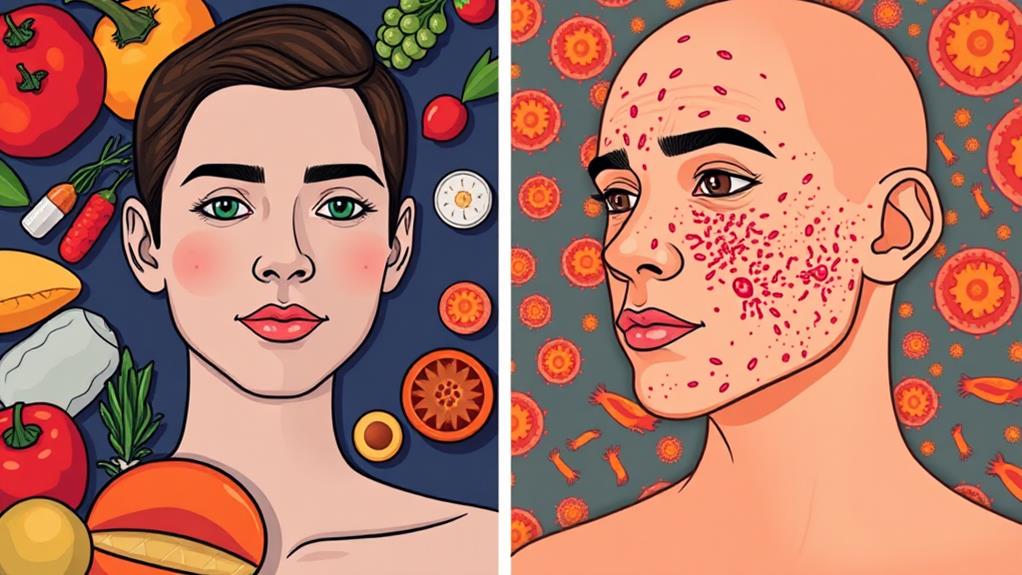
As we explore the underlying causes of acne breakouts, we'll examine how hormonal imbalances, particularly during puberty and the menstrual cycle, can trigger acne.
We'll also look at how dietary triggers, including our consumption of chocolate and sugar, can exacerbate acne, even if they aren't the primary causes.
Hormonal Imbalance Factors
Hormonal harmony is key to healthy skin, but hormonal imbalances can wreak havoc on our complexion, triggering a cascade of breakouts. As we've learned, hormonal fluctuations can affect our skin's behavior, leading to acne-prone skin.
- Increased androgen levels can lead to excess sebum production, clogged pores, and acne breakouts.
- High sugar consumption can spike insulin levels, leading to increased oil production in the skin and creating an ideal environment for acne-causing bacteria.
- Hormonal fluctuations during puberty, menstrual cycle, or stress can exacerbate acne by influencing sebum production and skin cell turnover.
When we're under stress, our body's "fight or flight" response can trigger hormonal imbalances, making our skin more prone to breakouts.
Additionally, sugary foods like chocolate can cause a spike in blood sugar and insulin levels, further disrupting our hormonal balance.
Dietary Triggers and Effects
When we investigate the root causes of acne, it's clear that our diet plays a significant role in triggering breakouts. The foods we eat can either help or hinder our skin's health. Specifically, high glycemic index/load foods like chocolate and sugar can promote acne by increasing blood sugar levels and insulin-like growth factor.
Accompanied by dairy products, including chocolate with milk, can worsen acne due to their impact on carbohydrate/sugar processing. Excessive sugar consumption can lead to increased inflammation, clogged pores, and acne breakouts.
The good news is that avoiding high-sugar and processed foods like chocolate can help manage acne by reducing insulin spikes and oil production in the skin. By understanding the glycemic index and potential triggers like chocolate and sugar, we can take steps to address acne through dietary adjustments.
Chocolate and Skin Health Benefits
Several studies indicate that dark chocolate, in particular, offers a variety of benefits for our skin. When selecting a chocolate bar, we should choose high-quality dark chocolate abundant in flavonoids. These components possess antioxidant properties that can positively impact our skin in various ways:
- Flavonoids such as catechins and procyanidins aid in reducing inflammation and supporting skin repair
- They enhance blood circulation to the skin, improving its look and overall well-being
- They offer skin-protective advantages by promoting hydration and reducing oxidative stress
Consuming dark chocolate in moderation can serve as a fantastic way to enjoy these skin health benefits. The flavonoids present in dark chocolate can help us achieve a more radiant complexion and enhance our overall skin wellness.
It's crucial to bear in mind that not all chocolate is of the same quality, and we should give preference to high-quality dark chocolate with a rich flavonoid content. By doing this, we can indulge in this delightful treat while also nurturing our skin.
Sugar's Role in Acne Development

One common offender behind acne breakouts is excessive sugar consumption, which can wreak havoc on our skin. When we consume high amounts of sugar, our insulin levels spike, leading to an increase in oil production within our skin. This can contribute to acne development, as excess oil combines with dead skin cells and other debris to clog pores. Additionally, high sugar intake can trigger inflammatory responses in our bodies, making acne breakouts worse.
Foods high on the glycemic index are particularly troublesome, as they cause a rapid increase in blood sugar levels. Cutting down on these high sugar foods can help regulate our insulin levels, reduce oil production in our skin, and improve overall skin health.
By being mindful of our sugar intake, we can create a less conducive environment for acne-causing bacteria to thrive. It's crucial to remember that managing sugar intake is vital for controlling acne development.
Managing and Preventing Acne
By taking a closer look at our diet and skincare routines, we can take proactive steps to manage and prevent acne breakouts. Avoiding high-sugar and high-glycemic foods like chocolate can help reduce acne symptoms, as these foods can Cause inflammation and lead to clogged pores.
Some key strategies to incorporate into our daily routines include:
- Limiting our intake of high-sugar and high-glycemic foods, which can trigger acne
- Using skincare products that contain acne-fighting ingredients like salicylic acid and benzoyl peroxide to help unclog pores and remove dead skin cells
- Maintaining a balanced diet rich in fresh fruits and vegetables, which can support overall skin health and reduce acne symptoms
Dietary Adjustments for Clear Skin
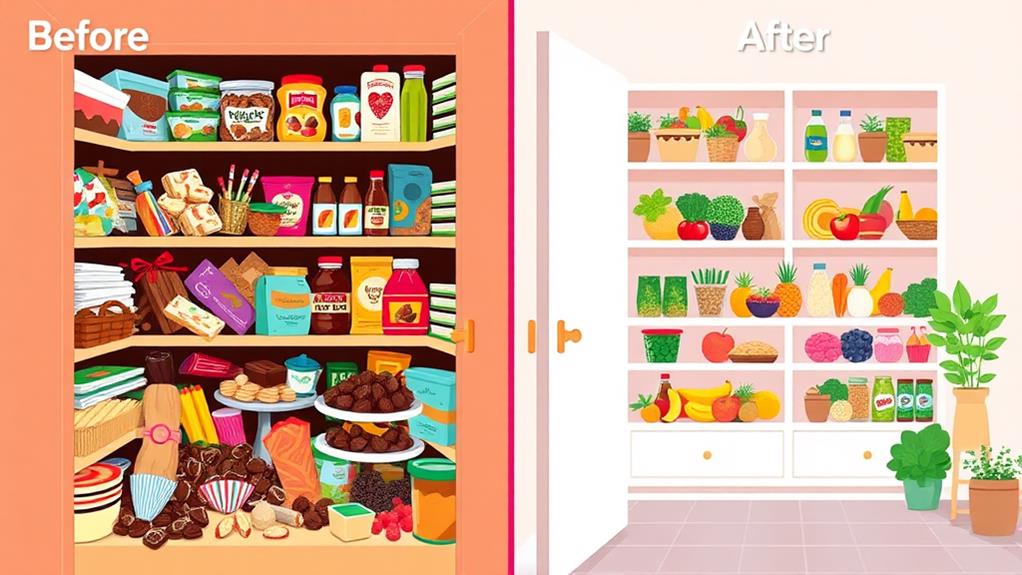
We've established that managing our diet and skincare routines can go a long way in preventing acne breakouts. Now, let's explore the dietary adjustments that can support clearer skin.
To reduce acne, limiting sugary treats and processed foods that can cause inflammation is crucial. Avoiding high glycemic index/load foods like chocolate and sugar can help regulate blood sugar levels and insulin levels, which are closely tied to acne. Instead, include more low-glycemic foods like fruits and vegetables in your diet to minimize acne triggers.
Be mindful of dairy products, including chocolate with milk, as they can worsen acne due to their impact on insulin-like growth factor 1 production. By incorporating these dietary adjustments, we may potentially enhance acne symptoms and promote healthier skin.
Maintaining a balanced diet with an emphasis on whole foods and hydration is vital for managing acne triggers associated with chocolate and sugar consumption. By doing so, we can revel in clearer, more radiant skin.
Frequently Asked Questions
Do Chocolate and Sugar Cause Acne?
We're not alone in wondering: do chocolate and sugar cause acne? Research suggests they're acne triggers, influenced by dietary factors, which can disrupt our skincare routine and hormonal balance, especially if we have a genetic predisposition.
Is Chocolate Giving You Acne True or False?
We've all heard it: "chocolate gives you acne" – but is it true? Separating myth from fact, we explore the acne connection, hormonal effects, and diet impact on skin health, revealing the truth behind this sweet treat's reputation.
Is Sugar Actually Bad for Acne?
We've found that sugar's impact on our skin health is significant, as it can trigger acne by spiking insulin levels, leading to increased oil production and clogged pores, making mindful dietary choices essential to managing acne triggers and reducing sugar consumption.
How to Not Get Pimples After Eating Chocolate?
Want to indulge in chocolate without breaking out? We reveal the secret: a solid skincare routine, balanced hormones, managed stress, ideal hydration, and quality sleep can help us enjoy chocolate guilt-free, even if it's not dark or raw!
Conclusion
So, do chocolate and sugar really cause acne? The answer is, it's not that simple. While they don't directly cause breakouts, they can certainly exacerbate the problem. By understanding how these foods impact our skin and making conscious dietary adjustments, we can take control of our skin health. The question is, are we willing to make those changes?