As we've often wondered, does stress really wreak havoc on our skin, leading to acne breakouts? Research suggests that it does, but how exactly does this happen? When we're stressed, our body releases hormones like cortisol and androgens, which in turn increase skin oil production and inflammation. But what's the extent of this impact, and are there specific ways to combat it? Let's explore the complex relationship between stress and acne, and discover how understanding this connection can lead to a clearer, healthier complexion.
Some of the links in this content may be affiliate links. If you make a purchase through these links, we may earn a small commission at no extra cost to you. Thank you.
The Stress-Acne Connection Explained
As we explore the complex relationship between stress and acne, understanding the underlying biological mechanisms that contribute to this connection is vital. When we're stressed, our bodies release hormones like cortisol and androgens, which can boost skin oil production, leading to an increase in stress acne. This surge of oil can clog pores, causing acne breakouts.
Additionally, stress triggers the production of cytokines, which increase inflammation around oil glands, further worsening acne symptoms. Hormonal acne is often a result of fluctuating androgen hormone levels, commonly experienced during puberty, menstruation, and menopause.
Furthermore, certain medications like birth control pills, lithium, and corticosteroids can increase our susceptibility to acne, especially when stress levels are high. It's crucial to recognize that stress doesn't directly cause acne, but it can contribute to an environment that fosters acne development. By understanding this connection, we can better comprehend how managing stress levels can help alleviate acne symptoms.
Causes and Types of Acne
We've seen how stress can contribute to acne, but what exactly triggers these breakouts? At its core, acne results from excess oils, dead skin cells, bacteria, and hair blocking pores. This combination can lead to various types of acne, ranging from mild to severe. Mild acne includes blackheads and whiteheads, while severe acne is characterized by nodules, cysts, or scarring.
Hormonal changes during pregnancy and teenage years can trigger acne, as can certain medications like birth control pills. Additionally, fluctuations in oil production can also contribute to acne. Recognizing that stress can worsen these underlying causes is crucial, ultimately leading to more frequent and severe breakouts.
When we discuss acne, it's not just about the physical symptoms; it's also about the underlying factors that contribute to its development. By understanding the causes and types of acne, we can better address the role stress plays in its onset and progression. This knowledge will help us develop effective strategies to manage acne and lessen its impacts on our overall well-being.
Stress, Hormonal Changes, and Acne
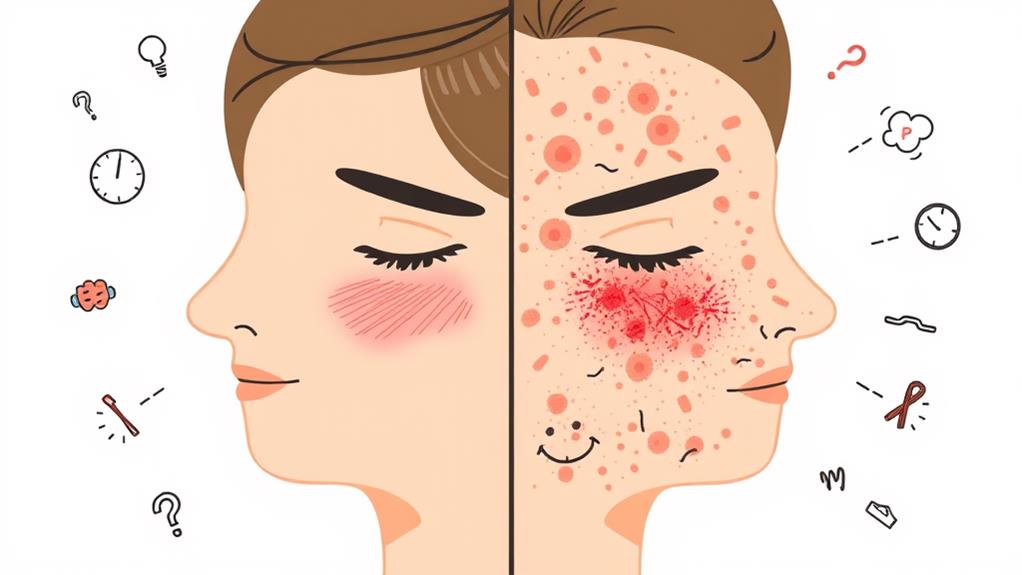
Stress acne's triggers can be complex, but hormonal changes play a significant role in its development. When we're stressed, our body's hormonal balance is disrupted, leading to increased inflammation and sebum production. This perfect storm of hormonal fluctuations contributes to the development or worsening of acne.
High cortisol levels, a byproduct of stress, disrupt the delicate balance of hormones involved in acne formation, further exacerbating the issue. The stress-induced factors, such as cortisol release and inflammatory cytokine production, worsen acne severity. It's a vicious cycle, but there's hope.
Preventing and Treating Acne
Now that we grasp the intricate connection between stress, hormonal changes, and acne, it's evident that managing stress is essential for preventing and treating acne. When we're stressed, our bodies produce more cortisol, leading to increased skin oil production and inflammation, which can exacerbate acne symptoms. To combat this, we can engage in stress-relief practices like exercise, yoga, or meditation to lower cortisol levels and potentially improve acne.
A balanced diet with low-glycemic foods can also help reduce the severity of stress-related acne breakouts. For important events or severe cases, we may want to consult with a dermatologist for temporary treatments like anti-inflammatory medications or light therapy to manage stress-induced acne flares. By prioritizing self-care and stress management, we can prevent and treat stress-related acne breakouts more effectively.
Diet, Skincare Routine, and Acne
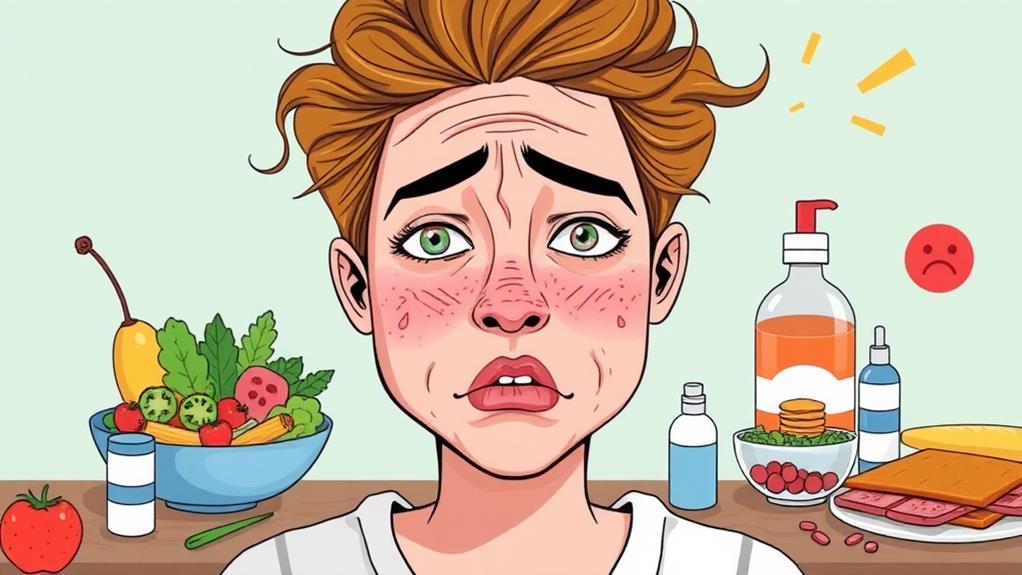
Our skin's connection to what we eat and how we take care of it's undeniable. When it comes to managing acne, our diet and skincare routine play a significant role. Consuming high-glycemic foods and dairy products can trigger acne flare-ups by increasing inflammation and oil production, which can exacerbate stress-induced acne.
On the other hand, incorporating omega-3 fatty acids and antioxidants found in fish and fruits can help reduce skin inflammation and support acne management.
In addition to a balanced diet, a gentle skincare routine is essential in preventing acne breakouts. Using non-comedogenic products and gentle cleansing techniques can prevent pore blockage and minimize acne. Furthermore, regularly changing pillowcases, avoiding touching the face, and maintaining a balanced diet can contribute to healthier skin and reduce acne severity.
Research suggests that avoiding processed foods, sugar, and high-glycemic options can improve skin health and potentially reduce acne symptoms. By making informed choices about our diet and skincare routine, we can better manage acne and reduce the impact of stress on our skin.
Professional Treatments for Acne
As we seek professional help to tackle our acne, we'll often start with topical treatments prescribed by our dermatologists, such as retinoids or benzoyl peroxide, which can effectively address mild to moderate acne.
For more severe cases, oral medications like antibiotics or hormonal pills may be recommended to get our acne under control.
Topical Treatments
Dermatologists often turn to topical treatments as a first line of defense against acne, prescribing retinoids or benzoyl peroxide to tackle the issue directly at the skin's surface. These topical medications work by unclogging pores, reducing inflammation, and controlling bacteria that contribute to acne. By applying them directly to the skin, we can effectively treat mild to moderate acne cases.
Topical treatments can also help prevent new breakouts, improve skin texture, and reduce the appearance of acne scars. We find that retinoids and benzoyl peroxide are particularly effective in combating acne, as they target the root causes of the problem. By consulting with a dermatologist, we can determine the most suitable topical treatment for our specific acne concerns and skin type.
Oral Medications
The next step in treating acne often involves oral medications, which are prescribed by dermatologists to target the underlying causes of the condition. For moderate to severe acne cases that don't respond to topical treatments, oral medications can be an effective solution.
We may be prescribed antibiotics like tetracycline or doxycycline, which help reduce acne-causing bacteria and inflammation. Hormonal pills, such as birth control, can also be used to regulate hormone levels and improve hormonal acne in women.
In severe acne cases, isotretinoin may be prescribed. This powerful medication works by reducing oil production and preventing clogged pores. It's important to note that isotretinoin is reserved for severe acne cases, as it can have potential side effects. Dermatologists carefully consider the pros and cons before prescribing any oral medication.
Impact of Stress on Acne
Stress's impact on our skin is more than skin-deep, and it's particularly true when it comes to acne. We're all too familiar with the feeling of stress manifesting on our skin, but did you know that stress can actually exacerbate acne symptoms?
Here's how:
- Hormonal changes: Stress triggers hormonal fluctuations that can lead to the development or worsening of acne.
- Increased inflammation: Stress-related factors like cortisol release and inflammatory cytokine production play a role in aggravating acne severity.
- Boosted sebum production: Stress can increase sebum production, clogging pores and leading to acne.
- Psychological stress: Psychological stress has been linked to a higher prevalence of stressful life events and psychiatric illness in individuals with acne.
These factors combine to create the perfect storm for acne to form and worsen. By understanding the impact of stress on acne, we can take the necessary steps to manage our stress levels and prevent acne breakouts. Remember, managing stress is essential for preventing and treating stress-induced acne effectively.
Stress Management for Acne Prevention
As we explore stress management for acne prevention, we'll focus on key strategies that can help.
We can reduce cortisol levels, which contribute to acne, by adopting mindful eating habits and relaxation techniques like meditation, deep breathing, or yoga.
Reduce Cortisol Levels
While juggling a hectic lifestyle, we often overlook the impact of stress on our skin, particularly when it comes to acne. One significant way to combat stress-related acne is to reduce cortisol levels. Chronically elevated cortisol levels can wreak havoc on our skin, leading to acne breakouts and inflammation.
To lower cortisol levels, we can implement the following stress relief practices:
- Engage in stress-relief practices like meditation, yoga, or deep breathing to reduce cortisol levels, reducing acne severity.
- Get adequate sleep of 7-9 hours per night to help regulate cortisol levels and promote skin health, potentially minimizing stress-related acne breakouts.
- Regular exercise not only relieves stress but also helps in managing hormone levels, contributing to improved skin conditions and reduced acne flare-ups.
- Follow a balanced diet rich in fruits, vegetables, and whole grains to support stress management and skin health, potentially decreasing the impact of stress on acne.
Mindful Eating Habits
Our daily food choices can have a noticeable impact on our skin, especially when we're stressed. By adopting mindful eating habits, we can help manage stress levels and reduce the likelihood of stress-induced acne breakouts. Opting for low-glycemic foods like fruits and vegetables is crucial, as they support skin health.
High-glycemic foods, on the other hand, can worsen acne. Processed and sugary foods consumed during stress can increase inflammation and oil production, making acne worse.
Being mindful of our food choices during stressful periods can potentially lessen acne flare-ups and promote clearer skin. Incorporating a balanced diet with low-glycemic foods may help decrease the severity of acne breakouts triggered by stress. By making conscious food choices, we can take charge of our skin health and lessen the impact of stress on our acne.
Relaxation Techniques
Three key pillars of stress management for acne prevention are relaxation techniques, which can have a profound impact on our skin health. By incorporating these techniques into our daily routine, we can reduce stress-induced acne flare-ups and promote overall well-being.
We can try the following relaxation techniques to lower cortisol levels and manage stress:
- Mindfulness meditation: a practice that helps us focus on the present moment and reduce stress and anxiety.
- Deep breathing: a simple yet effective technique to calm our minds and bodies.
- Yoga: a physical activity that combines movement with mindfulness and deep breathing to reduce stress and promote relaxation.
- Progressive muscle relaxation: a technique that helps us release physical tension and promote relaxation.
Developing a Stress-Relief Habit

In tandem with managing our skincare routines, we must develop a stress-relief habit to effectively tackle stress-induced acne. Engaging in stress-relieving activities like exercise, yoga, meditation, or deep breathing can help reduce cortisol levels and manage stress-induced acne. By incorporating relaxation techniques into our routine, we can alleviate stress and potentially improve acne symptoms.
Consistent stress-relief practices can help maintain skin health and prevent stress-related acne breakouts. Regular physical activity can also contribute to reducing stress levels and improving overall well-being, potentially benefiting acne management. Prioritizing self-care and stress management is essential to help prevent and manage stress-related acne breakouts effectively.
Skincare Routine for Acne-Prone Skin
Many of us struggle with acne-prone skin, and a well-crafted skincare routine can be a game-changer. We've learned that stress can exacerbate acne, but a gentle skincare routine can help mitigate its effects.
For acne-prone skin, utilizing non-comedogenic products that won't clog pores is crucial, and exfoliating regularly to remove dead skin cells and unclog pores is important.
Here are the key elements of a skincare routine that can help manage acne:
- Utilize gentle, non-comedogenic products to avoid irritating the skin and clogging pores.
- Exfoliate regularly to remove dead skin cells and unclog pores, reducing the risk of acne.
- Hydrate to maintain skin barrier function and prevent excessive dryness, even if you have oily skin.
- Shield your skin from the sun to prevent acne scarring and UV damage that can worsen acne.
Frequently Asked Questions
Why Does Stress Cause Acne?
We've found that stress triggers the release of stress hormones, which can spark an inflammation response, disrupting the skin microbiome and increasing oil production. This, in turn, affects the immune system, leading to acne – making a consistent skincare routine essential to combatting stress-induced breakouts.
How to Overcome Acne Anxiety?
We overcome acne anxiety by acknowledging the mind-body connection, prioritizing self-care routines, and addressing mental health through stress management, healthy habits, and carefully chosen skincare products that promote holistic well-being.
How to Calm Down Acne Fast?
We're desperate to calm down acne fast, so we're diving into the ultimate rescue plan: ramping up skin care, making drastic diet changes, mastering relaxation techniques, exploring medication options, and making pivotal lifestyle adjustments, with a lifeline to professional help when needed.
Does Exercise Help Acne Go Away?
We've found that exercise can indeed help acne go away by providing numerous benefits, including acne reduction, sweat detox, endorphin release, and skin rejuvenation, all of which contribute to overall stress relief, leading to clearer, healthier skin.
Conclusion
As we navigate life's stormy waters, our skin can become a reflection of the turmoil within. Acne, like a beacon of distress, shines brightly on our skin, a constant reminder of the stress we're trying to keep at bay. But by recognizing the intricate dance between stress and acne, we can take the first step towards calming the tempest within, and begin to heal the skin that reflects our true selves. By doing so, we can sail towards a smoother, calmer horizon, where radiant skin and serenity entwine.