We've all been there – excited to start a new supplement regimen, only to notice our skin breaking out in acne a few weeks later. It's frustrating, to say the least. But did you know that certain vitamins and supplements can actually exacerbate acne? It's a harsh reality: the very things we're taking to improve our health can end up causing more harm than good. As we explore the complex relationship between supplements and acne, we'll uncover the surprising culprits behind those unwanted breakouts – and what you can do to keep your skin clear and healthy.
Some of the links in this content may be affiliate links. If you make a purchase through these links, we may earn a small commission at no extra cost to you. Thank you.
What Causes Acne?
Having struggled with acne, we're all too familiar with the frustration it brings, but what triggers this skin issue in the first place? Acne develops when sebum and dead skin cells clog pores, leading to whiteheads, blackheads, and pimples. As a result, inflammation and redness of the skin ensue, making our skin look and feel miserable.
Several factors can contribute to the development of acne. Genetic, hormonal, environmental, and dietary factors all play a role. Our skin's health is intricately connected to our overall well-being, and even dietary choices, including certain vitamins and supplements, can have a profound impact.
For instance, some vitamins, like B, can have a direct influence on our skin. While they may be beneficial in some cases, they can also be related to acne in others. A board-certified dermatologist can help us identify the specific causes of our acne, and understanding these factors is essential in managing and preventing breakouts effectively.
Vitamins That Worsen Acne
Our supplement routine, often intended to boost our overall health, can sometimes backfire and wreak havoc on our skin. We may not realize that some vitamins, commonly found in multivitamins and supplements, can actually worsen acne breakouts.
Vitamins B6 and B12 are two offenders that can increase acne breakouts by promoting porphyrin production and disrupting the balance of skin bacteria. Excessive vitamin B12, in particular, can lead to an imbalance of skin bacteria, triggering acne breakouts. Additionally, vitamin B2 can also worsen acne.
Another common offender is biotin, often found in beauty products and supplements, which can cause acne when consumed in excessive amounts. It's essential to monitor our intake of these vitamins to maintain clearer skin. We need to be aware of the high levels of these vitamins in multivitamins and supplements, which can lead to acne breakouts and exacerbate skin conditions. By being mindful of our vitamin intake, we can avoid unintended skin consequences.
Iodine's Impact on Skin
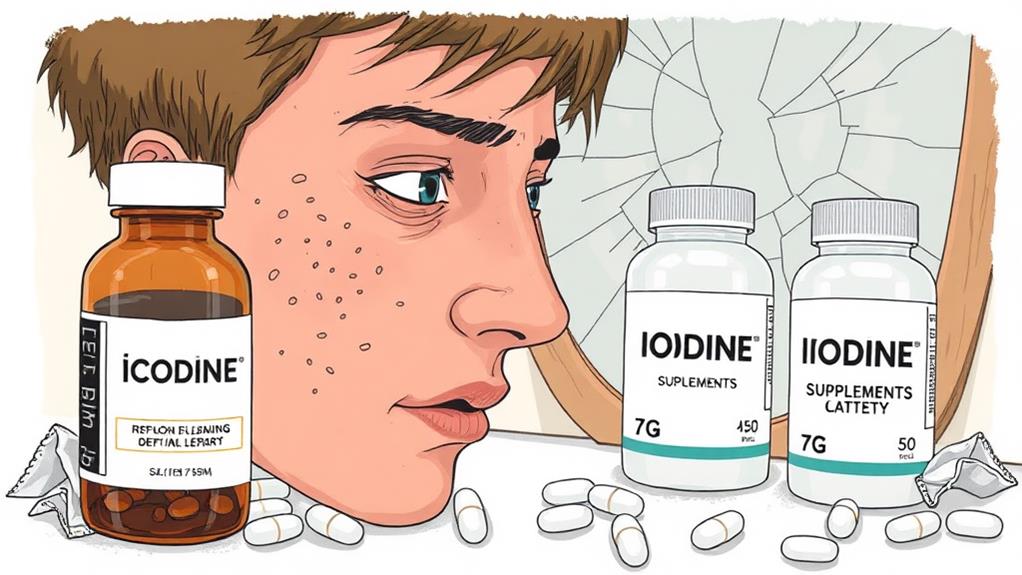
We've discussed how certain vitamins can trigger acne, but now let's talk about iodine, a mineral that's essential for thyroid function but can wreak havoc on our skin in high doses.
When we take in too much iodine, whether through supplements like kelp or multivitamins, it can lead to acne breakouts characterized by red, inflamed lesions, especially in areas prone to oil production.
These iodine-related skin issues are a pressing concern for those of us who are prone to acne.
Iodine's Acne Trigger
Let's explore the connection between iodine and acne. While iodine is a necessary mineral for our thyroid function, found in kelp supplements and multivitamins, excessive intake can have a negative effect on our skin health. Iodine can trigger acne, leading to inflamed pustules and whiteheads on the face and chest.
These acne breakouts are typically characterized by inflammatory pustules and whiteheads, which can greatly impact our skin appearance. We often overlook the influence of iodine supplements on our skin, but it's vital to understand that excess iodine intake can worsen existing acne.
When we consume iodine supplements, our skin can become prone to acne, which can be frustrating and challenging to manage. By recognizing the connection between iodine intake and acne, we can take steps to effectively manage our skin health. This understanding is important in helping us make informed decisions about the supplements we consume and their potential impact on our skin.
Iodine-Related Skin Issues
Iodine's impact on skin extends beyond just acne. We're discussing a variety of skin issues that can be triggered by excessive intake of iodine, particularly from supplements. While iodine is a key mineral for thyroid function, high doses can lead to adverse effects on our skin. We're not just discussing acne; we're referring to inflamed pustules and whiteheads that can affect the skin's appearance.
When we take kelp supplements or multivitamins, we may unknowingly cause our skin to break out. Iodine from these supplements can worsen existing acne, leading to inflamed pustules and whiteheads on the face and chest. It's crucial to be mindful of our iodine intake, especially if we're prone to acne. Excessive iodine can trigger acne breakouts, and it's important to monitor our skin for signs of iodine-related skin issues. By being attentive to our supplement intake, we can avoid these skin problems and maintain healthy, glowing skin.
Whey Protein and Acne
Several factors contribute to the link between whey protein and acne. As we explore the relationship between these two, it's important to comprehend how whey protein supplements can trigger acne breakouts.
One mechanism involves the stimulation of excess sebum production and rapid skin cell multiplication, resulting in acne vulgaris. Insulin growth factor 1 (IGF-1), a byproduct of whey protein, worsens this issue by increasing oil production and clogging pores.
Whey protein supplements have a notable impact on insulin and IGF-1 levels, potentially exacerbating acne. The dairy proteins like whey and casein found in these supplements can also worsen acne due to their effect on insulin levels.
Moreover, the high concentration of whey in these supplements can influence insulin levels, leading to acne breakouts. It's fundamental to be aware of these factors, especially if you're prone to acne and depend on whey protein supplements as part of your fitness regimen.
BCAAs and Insulin Levels
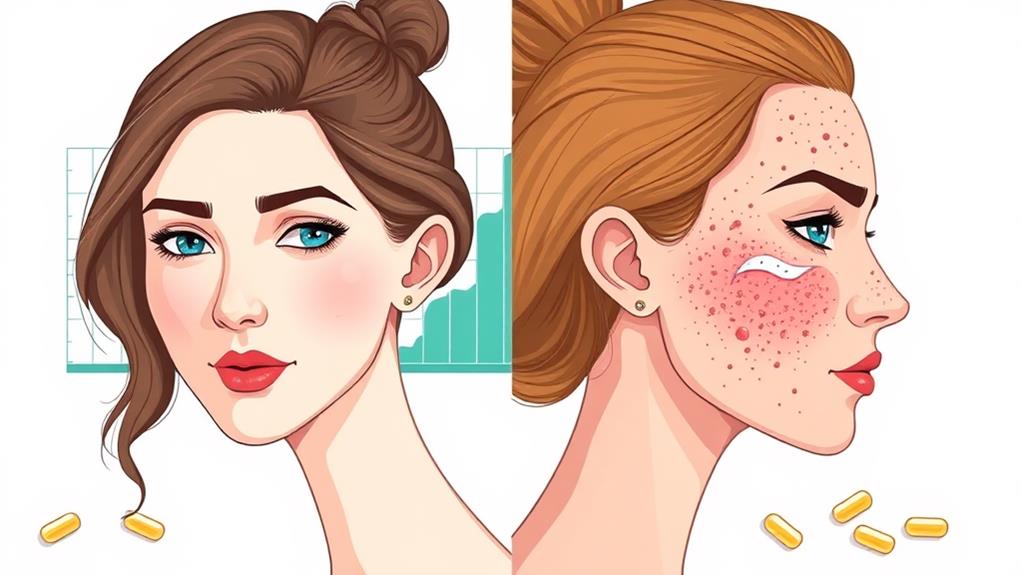
We've seen how whey protein can trigger acne, but now let's explore how BCAAs, another popular supplement, can also contribute to breakouts.
When we take BCAAs, they can cause a surge in insulin secretion, which in turn raises insulin-like growth factor 1 (IGF-1) levels. This insulin-driven response can have a profound impact on our skin, leading to acne breakouts.
BCAA-Induced Insulin Surge
When we consume branched-chain amino acids (BCAAs), our bodies experience an insulin surge, which can have far-reaching effects on our skin. This surge can lead to an increase in insulin-like growth factor 1 (IGF-1) levels, which can contribute to acne breakouts. As IGF-1 levels rise, our skin's oil production increases, causing clogged pores and setting the stage for acne lesions to form.
BCAAs, similar to whey protein, can affect insulin and IGF-1 levels, both of which play a significant role in the development of acne.
Additionally, BCAAs can stimulate excess sebum production, leading to the accumulation of oil in the sebaceous glands and contributing to acne.
It's essential to manage our BCAA intake, especially if we're prone to acne. By doing so, we can influence insulin levels and oil production, potentially reducing the severity of acne symptoms. By being mindful of our BCAA consumption, we can take a proactive approach to maintaining healthy skin.
Insulin-Driven Acne Breakouts
As our bodies react to BCAA supplementation, insulin levels surge, triggering a chain reaction that can lead to acne breakouts. Elevated insulin levels stimulate oil production, which can clog sebaceous glands and result in acne. Additionally, increased insulin growth factor 1 (IGF-1) levels due to BCAA supplementation can contribute to the development of acne lesions. Recognizing that BCAAs, like whey protein, can impact insulin and IGF-1 levels, worsening acne is vital.
When we consume BCAAs, our insulin levels rise, prompting an insulin-driven response that can encourage acne formation. Consequently, oil trapped in sebaceous glands may cause acne breakouts. To prevent these negative effects, it's important to exercise caution with BCAA supplementation. By understanding the link between BCAAs and insulin levels, we can make informed choices about our supplement regimen and take measures to reduce the risk of acne breakouts. By being mindful of our insulin-driven reactions, we can enjoy the advantages of BCAAs while maintaining healthy, clear skin.
Testosterone and Steroids
Many gym enthusiasts rely on muscle-building supplements to boost their physique, but few are aware that these products can have an unintended consequence: acne. We've all heard the phrase "gainz" comes at a cost, but did you know that testosterone and steroids in these supplements can lead to acne breakouts?
Here's what we need to understand:
- Testosterone boosts sebum production, which can clog pores and create an environment for acne-causing bacteria to thrive.
- Steroids in muscle-building supplements can lead to blocked pores, resulting in inflammatory acne lesions, especially on the face and scalp.
- Overproduction of sebum can have lasting effects, making it essential to understand the role of testosterone and steroids in sebum production to manage acne triggered by muscle-building supplements.
When we take these supplements, we're unknowingly contributing to acne formation. By understanding the causal link between testosterone, steroids, and acne, we can take steps to counteract these effects and maintain clear, healthy skin. It's vital to be aware of the potential consequences of our fitness choices and take proactive measures to prevent acne breakouts.
Other Supplements to Avoid
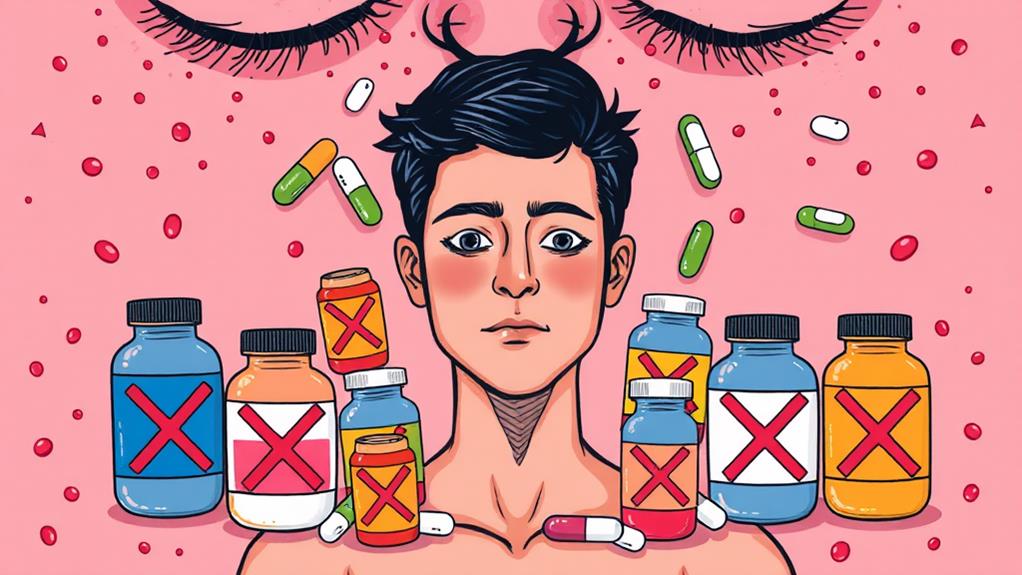
Besides testosterone and steroids, there are other supplements that can wreak havoc on our skin, causing acne breakouts and undermining our fitness goals. One category to avoid is high-dose vitamins B, particularly those with high levels of B12 and iodine. These acne-inducing ingredients can trigger breakouts, making it essential to scrutinize labels before adding them to our regimen.
We should also steer clear of biotin supplements, commonly found in beauty products, as they can interfere with vitamin B5 absorption and lead to comedonal acne. Additionally, muscle-building supplements containing anabolic-androgenic steroids can promote the growth of acne-forming bacteria, resulting in severe forms of acne.
Iodine supplements, such as kelp supplements, can worsen acne breakouts with inflamed pustules and whiteheads. By being aware of these supplements, we can make informed choices to protect our skin and achieve our fitness goals without compromising our complexion. By doing so, we can minimize the risk of acne breakouts and maintain healthy, glowing skin.
Natural Remedies for Acne
When we delve into the world of natural remedies for acne, our skin care arsenal expands greatly. It's vital to remember that acne is a complex condition that requires a multi-faceted approach. While avoiding certain supplements is pivotal, integrating natural remedies can help alleviate acne symptoms.
Here are three effective natural remedies to keep in mind:
- Dietary changes: By making mindful food choices, we can reduce acne triggers and promote skin health. Concentrate on whole, nutrient-dense foods and stay hydrated by drinking plenty of water.
- Stress management: Elevated levels of stress can lead to acne breakouts. Engage in stress-alleviating activities like yoga, meditation, or deep breathing exercises to help manage stress and promote overall skin health.
- Regular exercise: Physical activity can help regulate hormones and reduce acne symptoms effectively. Strive for at least 30 minutes of moderate-intensity exercise per session, three to four times a week.
Seeking Professional Guidance

We've explored the benefits of natural remedies in combating acne, but it's equally important to recognize that we may not always have all the answers. That's where seeking professional guidance comes in.
Consulting dermatologists or skincare experts can help identify supplements that may be exacerbating our acne. These health professionals can provide personalized advice on managing acne triggers related to specific supplements, taking into account our individual triggers and needs.
Additionally, consulting a Clear Skin Coach or participating in online programs like the 16-week program by Natural Acne Clinic can offer thorough treatment options. By working with a professional, we can receive tailored solutions based on our individual triggers, which can be combined with topical and internal treatments for holistic acne management.
This may involve combination therapies that address both the internal and external factors contributing to our acne. By seeking professional guidance, we can gain a deeper understanding of our skin and develop a personalized plan to achieve clear, healthy skin.
Frequently Asked Questions
What Vitamins Can Cause Acne?
We've learned that vitamins B6 and B12 can cause acne, but what about other vitamins? We've discovered that zinc supplements, biotin side effects, iron deficiency, and even vitamin A toxicity can all contribute to acne, while omega 3 fatty acids and vitamin C benefits can actually help.
Can Too Much Vitamin D Cause Acne?
As we bask in the sun, we're chasing a radiant glow, but excess sun exposure can trigger hormonal changes, and too much vitamin D can lead to acne; it's not just diet, genetics, stress, skincare, or environmental factors – it's about balance, dear reader!
Can Magnesium Cause Breakouts?
We've found that high magnesium levels can lead to hormonal imbalance, triggering skin inflammation and breakouts, especially if our digestive health is compromised, stress levels are high, or our diet choices and skincare routine are neglectful.
Can Taking Vitamin E Cause Acne?
We've got the same concern – can taking vitamin E cause acne? Well, the truth is, high doses of vitamin E can trigger skin reactions, worsen acne due to vitamin deficiencies, and disrupt hormonal balance, so let's delve into to understand the connection.
Conclusion
As we navigate the world of supplements, it's essential to be aware of the acne-inducing culprits. Remember, a healthy skin is like a delicate ecosystem – add the wrong ingredient, and it can throw everything off balance. By avoiding vitamins B6, B12, and B2, biotin, iodine, whey protein, BCAAs, testosterone, and steroids, we can prevent acne breakouts and maintain a radiant complexion. Let's be mindful of what we put into our bodies and opt for natural remedies to achieve clear, healthy skin that glows from within.