As we navigate the complexities of acne, we're likely to stumble upon the pivotal role of vitamin A. It's no secret that this essential nutrient is a powerhouse when it comes to cell growth, antioxidant properties, and reducing cell damage. But what exactly makes it a game-changer for acne management? We're about to uncover the benefits of topical retinoids, oral supplements, and even natural ingredients that can help us win the battle against breakouts. But first, let's explore how vitamin A's unique properties can help us achieve clearer, healthier skin – and what we need to know to harness its full potential.
Some of the links in this content may be affiliate links. If you make a purchase through these links, we may earn a small commission at no extra cost to you. Thank you.
Vitamin A for Acne Treatment
When it comes to addressing acne, we're often willing to try anything that promises to clear up our skin. One effective solution is Vitamin A for acne treatment. This nutrient aids in cell growth, acts as an antioxidant, and reduces cell damage, making it beneficial for acne management.
Oral retinoids, such as isotretinoin, are a potent option, but consulting a doctor before using them, especially for severe acne cases, is crucial. Vitamin A supplements can also be taken orally, providing a targeted delivery of the nutrient to cells. While oral use can also come with side effects, topical treatment is a substitute that offers a lower risk of adverse reactions.
The FDA has approved several retinoids for acne vulgaris treatment, and they've been shown to reduce pore clogging and inflammation. By integrating Vitamin A into our acne management strategy, we can effectively combat acne and enjoy healthier, clearer skin.
Benefits of Topical Retinoids
Several benefits come with using topical retinoids for acne treatment. As a form of vitamin A, retinoids are effective in preventing clogged pores, which is a major contributor to acne.
We've seen that retinoids reduce inflammation in acne lesions, promoting clearer skin and reducing redness. Additionally, retinol helps regulate oil production, leading to fewer breakouts and a smoother complexion.
What's more, topical retinoids can also improve skin texture, reduce acne scarring, and promote overall skin renewal. This is why dermatologists often prescribe topical retinoids for acne treatment due to their proven efficacy in managing various types of acne.
Oral Vitamin A for Acne
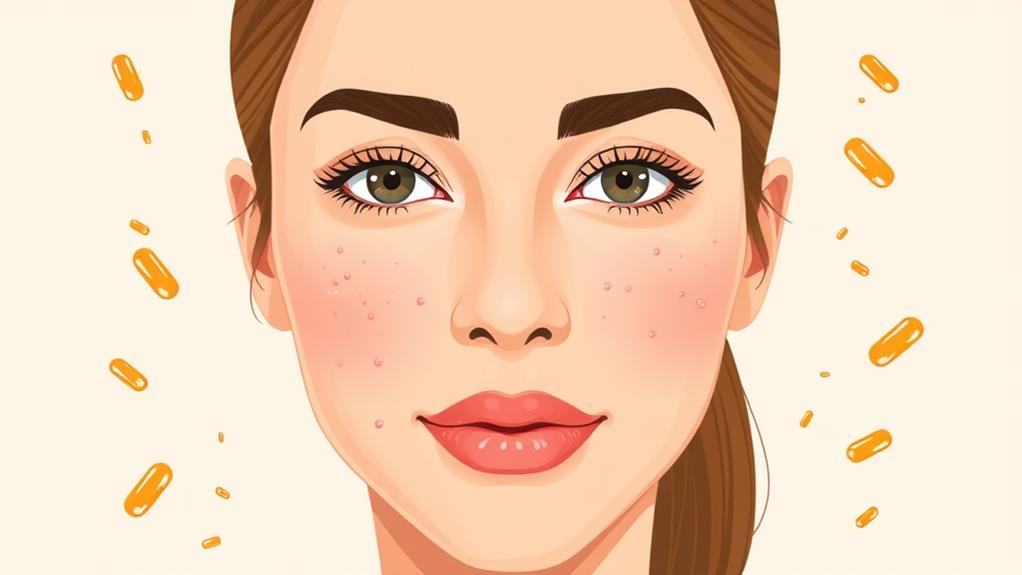
As we explore the role of vitamin A in acne treatment, we're now turning to oral vitamin A as a potential solution. When isotretinoin is inaccessible, oral vitamin A can be an effective substitute for acne management. Studies have shown that oral vitamin A can lead to significant acne improvement, with dosages ranging from 36,000IU daily to 500,000IU. In fact, its efficacy is comparable to isotretinoin, with similar side effects.
However, we must consider the potential risks of oral vitamin A, particularly its teratogenicity and toxicity. This means that strict monitoring is necessary when using oral vitamin A as a substitute for isotretinoin. Patient selection, education, and careful monitoring by a medical provider are essential for the safe and effective use of oral vitamin A in acne treatment.
Food Sources and Supplements
Let's immerse ourselves in the world of food sources and supplements, where a balanced diet can be a game-changer for acne-prone skin. It is common knowledge that vitamin A is vital for skin health, but where can we find it?
| Food Sources | Vitamin A Content |
|---|---|
| Sweet potatoes | High |
| Carrots | High |
| Dark leafy greens | High |
| Liver | Very High |
We need 5,000 IU of vitamin A daily to support skin health and overall well-being. But, be careful – excessive intake of supplements can lead to liver damage. It's important to maintain a balanced diet. Supplements can be useful if our dietary intake is insufficient, but we must consult a healthcare provider, especially during pregnancy. They can enhance our immune system and skin health, but quality and dosage matter. Remember, a balanced diet is the key to optimal skin health. Let's make informed choices to get the Vitamin A our skin needs.
Natural Ingredients for Acne

Now that we've explored the food sources and supplements that provide vitamin A, let's shift our focus to other natural ingredients that can help combat acne.
Aloe vera remedies, for instance, offer a gentle and effective way to reduce inflammation and promote healing, while other natural ingredients like zinc, vitamin E, selenium, and omega-3 fatty acids also play important roles in supporting skin health.
As we examine these natural ingredients, we'll discover how they can complement the benefits of vitamin A in our pursuit of clear, healthy skin.
Vitamin A Benefits
Vitamin A's potent antioxidant properties make it a valuable ally in our pursuit of healthy, acne-free skin. This essential nutrient plays a vital role in skin health, and research suggests it may reduce inflammation in acne vulgaris. Topical retinoids containing vitamin A have been shown to effectively treat inflammatory acne lesions, while retinol decreases inflammation and oil production on the skin.
| Benefit | How it Works | Importance |
|---|---|---|
| Reduces Inflammation | Antioxidant properties combat free radicals | Essential for acne treatment |
| Promotes Healthy Skin | Supports skin cell turnover and collagen production | Critical for overall skin health |
| Fights Acne | Topical retinoids treat inflammatory acne lesions | Effective acne treatment |
| Boosts Antioxidant Defenses | Neutralizes free radicals, protecting skin from damage | Essential for skin health maintenance |
Incorporating vitamin A-rich foods like orange and yellow vegetables, leafy greens, and salmon into our diet can also promote overall skin health due to their antioxidant properties. With a recommended daily intake of 5,000 IU for individuals aged 4 and above, it's evident that vitamin A is an essential nutrient for maintaining healthy, acne-free skin.
Aloe Vera Remedies
While vitamin A's benefits for acne-prone skin are undeniable, we're not limited to just this nutrient when it comes to natural acne treatments.
Another natural ingredient that shines in the fight against acne is Aloe Vera. This plant-based remedy has been used for centuries to reduce inflammation, redness, and speed up the healing process in acne-affected skin. As a natural moisturizer, Aloe Vera helps to soothe and calm the skin, reducing the appearance of acne scars and improving overall skin texture. Its antibacterial properties also combat acne-causing bacteria, making it a powerful natural remedy for acne.
Regular use of Aloe Vera can lead to significant improvements in skin health, and it's no wonder it's a common ingredient in many skincare products. By incorporating Aloe Vera into our skincare routine, we can tap into its natural healing properties and say goodbye to acne woes. With its ability to reduce inflammation, fight bacteria, and promote healthy skin, Aloe Vera is a natural acne treatment that's hard to ignore.
Acne Scarring Remedies and Prevention
We've all been there – dealing with the frustrating and often painful effects of acne, only to be left with the added hassle of acne scarring. But don't worry, we're not alone, and there are ways to combat acne scarring.
Natural remedies like rosehip seed oil, tea tree oil, honey, and diluted apple cider vinegar can improve skin texture and reduce scarring.
Lemon, with its vitamin C content and citric acid, can also help exfoliate the skin and fade acne scars with regular use.
In addition, skincare products containing vitamin E can protect the skin from oxidative stress and aid in the healing process of acne scars.
Moreover, essential nutrients like zinc, selenium, and omega-3 fatty acids can reduce inflammation, promote healing, and improve skin health to prevent acne scarring.
Vitamin A Derivatives and Skincare
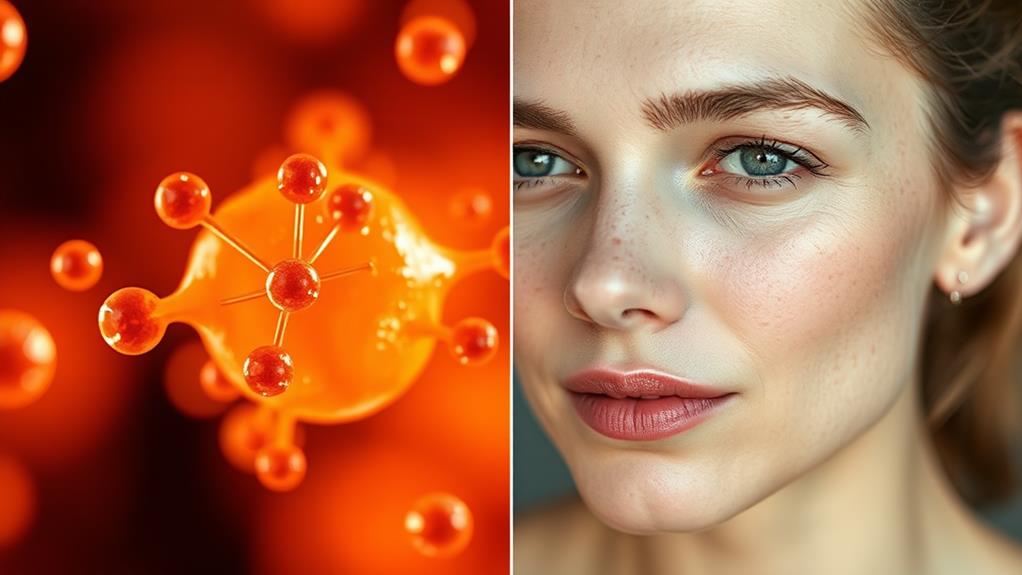
Since our skin is constantly shedding and regenerating cells, it's no wonder that vitamin A derivatives have become a staple in skincare products, helping to unclog pores and reduce acne breakouts. These derivatives, including tretinoin, adapalene, and tazarotene, play a pivotal role in cell turnover, ensuring that our skin stays healthy and acne-free.
Here are some benefits of using vitamin A derivatives in our skincare routine:
- Unclog pores: Vitamin A derivatives help to remove dead skin cells and other debris that can clog pores, reducing the likelihood of acne.
- Reduce inflammation: By reducing inflammation, vitamin A derivatives can help to minimize the appearance of acne and prevent scarring.
- Prescribe for severe acne: In severe cases, oral isotretinoin, a potent vitamin A derivative, may be prescribed to treat acne, but this requires careful monitoring due to potential side effects.
- Recommended by dermatologists: Vitamin A derivatives are commonly recommended by dermatology providers due to their effectiveness in treating acne.
Frequently Asked Questions
Is Vitamin a Good for Acne?
It is common knowledge that finding the right solution for acne can be tough, but rest assured, vitamin A is a game-changer for acne treatment, promoting skin health and clear skin through its benefits in acne prevention and reduction.
Can Vitamin a Trigger Acne?
As we navigate the complex landscape of our skin, we're left wondering, can too much of a good thing spark acne flare-ups? In short, no, moderate vitamin A intake from dietary sources isn't likely to trigger acne, but let's dive deeper into the dynamics.
Can I Just Take Vitamin a Instead of Accutane?
Before considering Accutane alternatives, we asked ourselves: can we simply take Vitamin A instead? The answer's not that simple. We'd need to guarantee a safe Vitamin A dosage, avoiding side effects like Accutane's, and weigh the benefits of supplements against prescription costs and effectiveness.
Is Vitamin C or Vitamin a Better for Acne?
Break out the Renaissance-era apothecary jars, folks! When it comes to acne, we're often left wondering: is Vitamin C or A the ultimate skincare savior? Here's the lowdown: Vitamin A's benefits for acne treatment far surpass Vitamin C's, making it the top pick for achieving clear skin.
Conclusion
As we've explored the world of vitamin A and acne, we've uncovered the incredible benefits of this powerful nutrient. From preventing clogged pores to reducing inflammation, vitamin A has proven to be a game-changer in the fight against acne. But the journey doesn't end here. We're left wondering: what other secrets does vitamin A hold for acne-prone skin? Will it revolutionize the way we approach acne treatment? Stay tuned for more revelations on this groundbreaking topic.