When we're feeling overwhelmed, our skin often pays the price. We've all experienced it – a big deadline, a personal crisis, or a major life change, and suddenly our skin is breaking out in ways it never has before. But what are the telltale signs that our stress is manifesting on our skin? We're about to explore the common indicators that our stress is causing acne, from the types of pimples that pop up to the areas of the face most prone to flare-ups. By pinpointing these key signs, we can take the first step towards tackling stress-induced breakouts and uncovering a clearer, more radiant complexion.
Some of the links in this content may be affiliate links. If you make a purchase through these links, we may earn a small commission at no extra cost to you. Thank you.
Understanding Stress Acne Triggers
When we're stressed, our body's "fight or flight" response kicks in, releasing cortisol and other hormones that trigger a cascade of chemical reactions. This surge in cortisol levels can wreak havoc on our skin, leading to stress acne. The increased cortisol triggers our oil glands to produce more sebum, an oily substance that can clog pores and cause acne.
Additionally, cortisol increases inflammation, which can further exacerbate acne.
Our genetic predisposition can also play a role in stress-induced acne flare-ups. If we're prone to acne, stressful periods can cause our skin to break out more easily. We may notice acne appearing on areas like the forehead, nose, and chin, where oil glands are more active.
Understanding these triggers can help us take preventative measures to manage our stress and reduce the likelihood of acne. By recognizing the link between stress and acne, we can take steps to mitigate the effects of stress on our skin and reduce the appearance of breakouts.
Identifying Key Signs of Stress
Because we're now more aware of how stress triggers acne, it's essential we can identify the key signs of stress breakouts to take prompt action. When we're stressed, our skin may respond with sudden clusters of pimples on the forehead, nose, and chin.
We should look out for red and inflamed pimples, whiteheads, blackheads, and pus-filled pimples, which are all key signs of stress breakouts. These pimples may be sore to the touch and appear in areas prone to oiliness on our face.
Identifying stress breakouts involves recognizing the timing of acne flare-ups during stressful periods. If we notice new or worsening acne during times of stress, it's likely a sign of stress-induced breakouts.
Causes of Stress-Related Breakouts
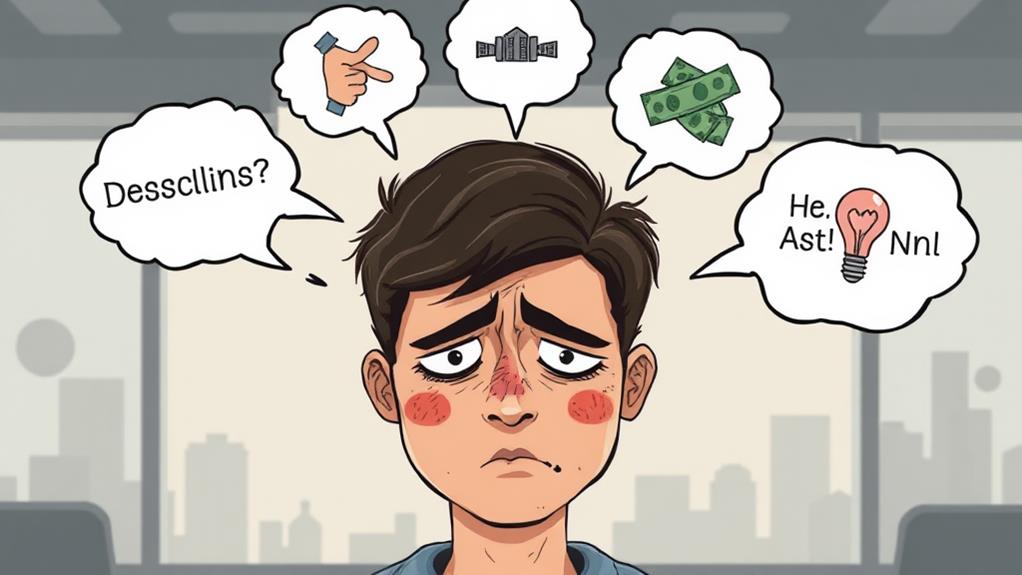
It's common knowledge that stress can wreak havoc on our skin, but what exactly triggers those pesky breakouts?
It's a combination of factors, including the way stress triggers acne, hormonal imbalances that can cause chaos in our skin, and our genetic predisposition to react a certain way to stress.
Stress Triggers Acne
Cortisol, the body's "stress hormone," plays a significant role in triggering acne. When we're stressed, our cortisol levels surge, leading to an increase in acne breakouts. This is because cortisol stimulates oil production, causing our skin to become a breeding ground for bacteria and inflammation. As a result, we're more likely to experience acne breakouts, especially in the T-zone – the forehead, nose, and chin.
Genetic predisposition can also make some of us more prone to stress breakouts during challenging times. Stress-related acne can manifest in various forms, including blackheads, whiteheads, and pus-filled pimples. A sudden outbreak of multiple pimples in a concentrated area is a common sign of stress-induced acne flare-ups.
We may notice a cluster of red bumps or pimples in the T-zone, which can be frustrating and affect our self-confidence. By understanding how stress triggers acne, we can take proactive steps to manage our stress levels and reduce the likelihood of acne breakouts.
Hormonal Imbalance Causes
When our body's stress response is triggered, hormonal imbalances can occur, leading to a perfect storm of skin issues. Elevated cortisol levels during periods of stress can trigger hormonal fluctuations that contribute to acne flare-ups. These imbalances disrupt the skin's natural balance, leading to the development of pimples, blackheads, and red bumps.
One of the primary culprits behind stress-related breakouts is an imbalance in androgen hormones, which can stimulate excess sebum production and exacerbate acne symptoms. This excess oil production can clog pores, leading to inflammation and an increased risk of breakouts.
Identifying hormonal imbalance as a key factor in stress-related breakouts is essential for effective treatment and prevention strategies. By understanding the role hormonal imbalances play in stress breakouts, we can take steps to mitigate their impact and regain control over our skin health.
Genetic Predisposition Matters
How do our genetic blueprints impact our skin's reaction to stress?
It's understood that genetic predisposition plays a significant role in developing stress-related breakouts during periods of heightened stress. If there's a family history of acne, there may be a higher likelihood of experiencing stress-induced breakouts. Our genetic factors can influence the severity and frequency of stress acne outbreaks.
Stress hormones like cortisol can worsen acne in those genetically predisposed to breakouts. When faced with stress, our cortisol levels rise, which can result in inflammation and breakouts. Recognizing our genetic predisposition to acne can assist in managing and preventing stress-related breakouts. By acknowledging our genetic inclinations, we can take proactive measures to lessen the impact of stress on our skin.
It's important to note that genetic predisposition doesn't guarantee stress-related breakouts. However, understanding our genetic risks can guide our skincare strategies and stress management techniques. By addressing our genetic predisposition, we can better handle the challenges of stress acne and maintain healthier, more resilient skin.
Location of Stress Acne Flare-Ups
Our acne-prone areas, like the forehead, nose, and chin – collectively known as the T-zone – are the first to sound the alarm when stress takes its toll on our skin. As stress levels rise, these areas are more prone to breakouts due to increased sebum production. Here's where we typically see stress acne flare-ups:
- The forehead, where stress pimples tend to appear as a cluster of small, red bumps or blackheads
- The nose, where whiteheads and pus-filled pimples may emerge
- The chin, where hormonal imbalances can cause acne along the jawline
- The jawline itself, particularly in cases of hormonal stress acne
- The oiliest parts of the face, where sebum production is higher and pores are more likely to clog
These areas are more susceptible to stress acne due to their natural oiliness, making them a common breeding ground for breakouts. When we're under stress, our skin's natural barriers are weakened, allowing bacteria and other acne-causing agents to thrive. By recognizing these signs, we can take proactive steps to manage our stress and prevent further skin issues.
Managing Stress for Clear Skin
As we aim for clear skin, we need to focus on reducing stress triggers and balancing our hormonal levels. By doing so, we can effectively manage stress and prevent breakouts.
Reduce Stress Triggers
In reducing stress triggers, we must first understand that our lifestyle choices can greatly impact our skin. When we're stressed, our body produces elevated cortisol levels, leading to increased oil production and inflammation on the skin, which can cause stress breakouts. To manage stress effectively, we need to identify and reduce our personal stress triggers.
Here are some key steps to take:
- Identify and avoid triggers that cause stress, such as lack of sleep, poor diet, or high-pressure situations.
- Practice self-care activities like meditation, yoga, and deep breathing to reduce stress levels.
- Establish a consistent skincare routine to help regulate oil production and reduce inflammation.
Prioritize getting enough sleep and maintaining a balanced diet to support skin health.
– Seek professional help if needed to develop a personalized plan to manage stress and stress breakouts.
Balance Hormonal Levels
Stress breakouts can wreak havoc on our hormonal balance, triggering a cascade of skin issues. When we're stressed, our body's hormonal levels become imbalanced, leading to increased oil production and inflammation on the skin. This perfect storm can result in acne breaking out on our forehead, nose, chin, or jawline – a frustrating and unsightly consequence of stress.
The manifestation of stress-induced breakouts can take various forms, from blackheads and whiteheads to red bumps and pus-filled pimples. It's clear that clear skin is intimately tied to balanced hormonal levels, and the key to achieving this balance lies in stress management techniques.
Treating Stress-Induced Acne Effectively
Many of us have experienced the sudden and frustrating onset of acne breakouts, often triggered by periods of high stress. Stress acne breakouts can manifest as sudden clusters of pimples on the forehead, nose, and chin, appearing as blackheads, whiteheads, red bumps, or pus-filled pimples. To effectively treat stress-induced acne, we need to focus on a consistent skincare routine and incorporate products with acne-fighting ingredients.
Here are some key strategies to help manage stress-related acne:
- Use skincare products containing salicylic acid to combat blackheads and whiteheads
- Incorporate spot treatments with benzoyl peroxide to reduce inflammation and combat bacteria
- Opt for a lighter moisturizer to prevent clogged pores
Maintain a consistent skincare routine to help regulate skin health
Prioritize managing stress through healthy habits, such as exercise, meditation, or deep breathing, to reduce the likelihood of stress-induced acne breakouts
Preventing Stress Acne Breakouts

We've learned how to treat stress-induced acne effectively, but now it's time to take it a step further by focusing on prevention.
Preventing stress acne breakouts is all about controlling stress levels and improving our mental well-being. By incorporating relaxation techniques, such as meditation and deep breathing, into our daily routine, we can reduce the likelihood of stress-induced breakouts.
Additionally, adjusting our lifestyle habits can make a significant difference. Getting enough sleep, exercising regularly, and eating a balanced diet can help prevent stress acne. A clear skin diet is essential, and it's vital to avoid high glycemic index foods that can trigger breakouts.
Moreover, incorporating omega-3-rich foods like salmon and walnuts into our diet can promote skin health and reduce stress acne. By taking these proactive measures, we can prevent stress acne breakouts and maintain healthy, glowing skin.
Stress Acne Severity and Duration
Regarding their impact on our skin, stress breakouts can vary widely, ranging from mild whiteheads and blackheads to more inflamed papules and pustules. The severity and duration of these breakouts depend on various factors.
- We've noticed that the duration of stress breakouts can be influenced by our stress management techniques and skincare practices.
- If we don't address our stress triggers, stress-induced acne may last longer.
- Severe stress breakouts, such as nodules and cysts, can lead to scarring if not properly treated.
- On the other hand, managing stress effectively can help reduce the severity and duration of stress breakouts.
- By understanding our skin and how it responds to stress, we can take proactive steps to minimize the impact of stress on our skin, reducing the risk of scarring and promoting healthier skin overall.
Factors That Exacerbate Stress Acne
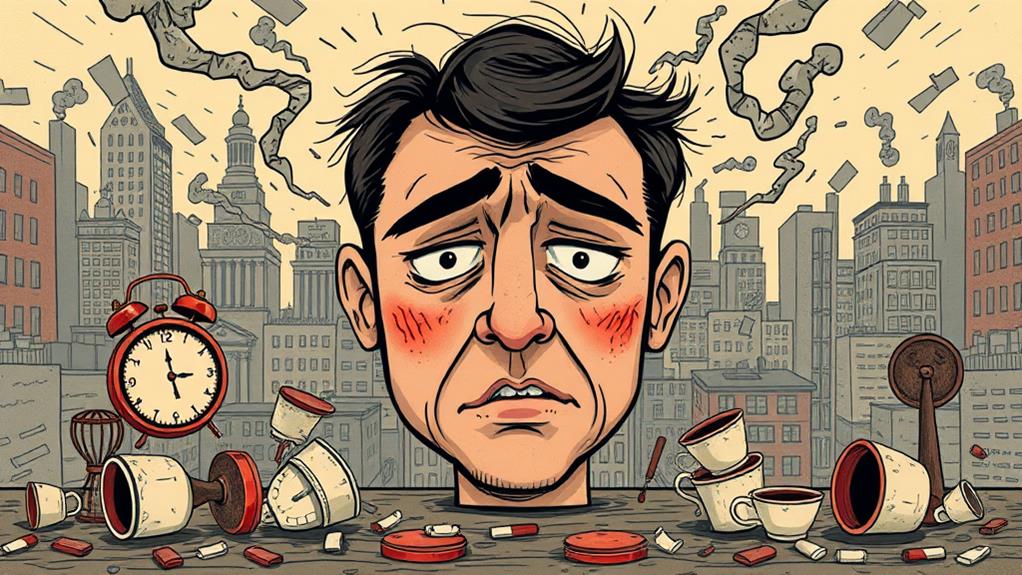
While managing stress is key to reducing the severity and duration of stress breakouts, it's equally important to recognize the factors that can exacerbate them.
We need to be aware of how increased levels of cortisol, hormonal fluctuations, and lack of sleep can contribute to stress acne. These factors lead to excess oil production and inflammation in the skin, making breakouts worse.
Additionally, skin conditions like eczema or psoriasis can be triggered by stress, further aggravating acne. Our stress-induced behaviors, such as picking or touching the face, can worsen existing acne and lead to more severe breakouts.
Environmental factors like pollution, UV exposure, and harsh skincare products also play a significant role in exacerbating stress acne symptoms.
Frequently Asked Questions
How to Tell if Breakouts Are From Stress?
When it comes to figuring out if our breakouts are stress-related, we look for skin changes, like sudden clusters of pimples, and connect them to emotional triggers, hormone imbalance, and our lifestyle habits, skincare routine, diet, and self-care practices to identify the culprit.
How to Stop a Stress Breakout?
When stress storms brew, our skin reflects the turmoil. To calm the chaos, we must anchor ourselves in self-care: maintaining a thoughtful skincare routine, exploring herbal remedies, and embracing diet changes, mindfulness practices, and stress-managing habits to prevent breakouts and promote serenity.
How Long Does It Take for Stress Pimples to Go Away?
We've found that our stress pimples typically clear up within a week to a few weeks with a consistent skin care routine, stress management, and targeted acne treatments, but hormonal changes and diet impact can influence the stress pimple timeline.
How to Overcome Acne Anxiety?
As we navigate the stormy waters of acne anxiety, we've learned to anchor ourselves with mindfulness techniques, a consistent skincare routine, and self-care practices. We've also found solace in seeking professional help, making dietary changes, and harnessing the exercise benefits for our mental health support.
Conclusion
As we navigate life's twists and turns, it's easy to let stress get under our skin – literally. When we're overwhelmed, our skin can become a reflection of our inner state, manifesting as stubborn breakouts. Just like a stormy weather forecast, stress acne can be unpredictable, but by recognizing the warning signs and taking proactive steps, we can weather the storm and emerge with clearer, healthier skin. By being attuned to our emotional and physical cues, we can take control of our skin's narrative and write a new chapter of radiance.