We've all experienced the frustration of pesky breakouts, and we've all wondered what triggers them. Whether it's a sudden appearance of pimples on our forehead or a persistent rash on our chest, acne can be a mystery. But what if we told you that sometimes, the culprit is not just hormonal imbalance or poor skincare, but something entirely external? Enter Acne Mechanica, a type of acne that's caused by friction, pressure, or rubbing of the skin. But how does it happen, and what can we do to prevent it? Let's explore the world of Acne Mechanica and uncover the answers.
Some of the links in this content may be affiliate links. If you make a purchase through these links, we may earn a small commission at no extra cost to you. Thank you.
Understanding Acne Mechanica
As we explore the world of acne, it's essential to understand that Acne Mechanica is a specific type of acne that's triggered by external factors, rather than internal hormonal imbalances or bacterial buildup. This type of acne is caused by friction, pressure, rubbing, or stretching of the skin, which leads to the formation of small comedones or inflamed blemishes on areas where there's constant mechanical action.
We've found that common triggers include heat, pressure, and friction from clothing, sports equipment, or tight accessories. What sets Acne Mechanica apart from common acne is its specific location and development due to these external triggers.
As we investigate further, we'll learn that the symptoms of Acne Mechanica often appear on areas of the skin that are subject to repeated pressure or friction. By understanding the root causes of Acne Mechanica, we can begin to develop effective treatment strategies to combat this unique form of acne.
Causes and Risk Factors
We've established that Acne Mechanica is a unique type of acne triggered by external factors, but what exactly sparks its development? The answer lies in repeated friction and pressure on the skin, often triggered by clothing, sports gear, or tight accessories. This constant rubbing and pressure can lead to inflammatory skin lesions, making anyone exposed to these factors at risk of developing Acne Mechanica.
Here are the key causes and risk factors to be aware of:
- Friction and pressure: Activities like prolonged seating, wearing tight clothing, or using medical equipment can lead to Acne Mechanica.
- Sports equipment: Helmets, chin straps, and other sports gear can cause friction and pressure on the skin.
- Poor skin care: Failing to follow a proper skin care routine can increase the risk of Acne Mechanica, especially for those with acne-prone skin.
- Mechanical causes: Acne Mechanica is solely triggered by mechanical actions like rubbing, stretching, or squeezing, rather than hormonal changes like in acne vulgaris.
Symptoms and Diagnosis

Identifying the symptoms of Acne Mechanica is essential in determining the best course of treatment. We can experience small comedones, inflamed blemishes, and rough, bumpy skin texture. Our skin may show signs of irritation and inflammation from pressure, friction, or rubbing. To diagnose Acne Mechanica, we look for breakouts in specific areas exposed to friction or pressure.
| Symptoms | Causes | Characteristics |
|---|---|---|
| Small comedones | Pressure, friction | Whiteheads or blackheads |
| Inflamed blemishes | Mechanical actions | Red, swollen, and painful |
| Rough skin texture | Skin irritation | Bumpy, uneven skin |
| Inflammation | Friction, rubbing | Redness, swelling, and heat |
Unlike common acne, Acne Mechanica is triggered by mechanical actions rather than hormonal imbalances. It's essential to seek professional help for an accurate diagnosis and effective treatment. A professional can help us identify the specific causes of our Acne Mechanica and develop a personalized treatment plan.
Preventive Measures
One of the most important steps in managing Acne Mechanica is taking preventive measures to reduce its occurrence. By understanding the causes of Acne Mechanica, we can take steps to prevent it from happening in the first place.
To prevent Acne Mechanica, we should:
1) Avoid tight clothing and accessories that cause friction and pressure on the skin, which can lead to breakouts.
2) Choose breathable, moisture-wicking fabrics to minimize heat and sweat buildup, reducing the likelihood of acne.
3) Take regular breaks from prolonged activities that involve repetitive rubbing or pressure on the skin, giving our skin a chance to recover.
4) Use non-comedogenic skincare products and establish a consistent skincare routine, including cleansing and moisturizing, to maintain skin health and prevent acne mechanica.
Treatment Options
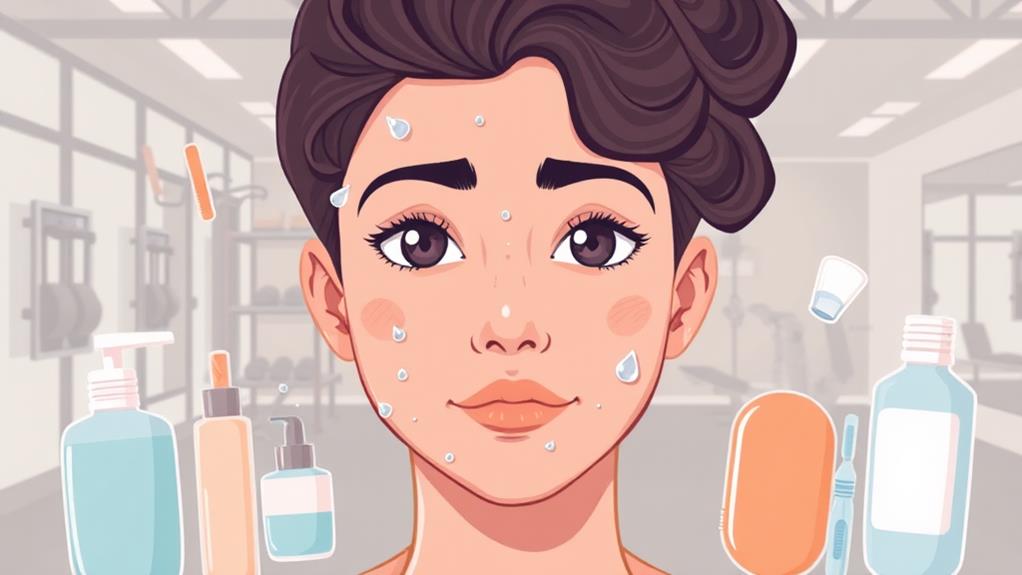
It's common knowledge that dealing with Acne Mechanica can be frustrating, but there's hope – consulting a healthcare provider or dermatologist is crucial to receive a proper diagnosis and treatment plan.
They may suggest topical treatments such as salicylic acid or benzoyl peroxide to help clear up breakouts.
Medical Consultation Needed
Several factors highlight the significance of seeking medical advice for Acne Mechanica. As we explore treatment options, it's vital to consult a dermatologist for accurate diagnosis and treatment. They can offer prescription medications and specialized treatments tailored to our specific skin type and condition.
Here's why medical advice is important:
- Precise diagnosis: A dermatologist can accurately identify Acne Mechanica and exclude other skin conditions.
- Personalized care: They can suggest topical treatments like benzoyl peroxide and salicylic acid, or oral antibiotics in severe cases.
- Efficient management: Regular follow-ups with a healthcare provider guarantee that our treatment plan is working effectively.
- Monitoring and modification: Our healthcare provider can oversee our progress and modify our treatment plan as necessary.
Topical Treatment Options
Effective management of Acne Mechanica relies on a comprehensive treatment plan, and topical treatment options play a significant role in this endeavor.
We've found that topical treatments like salicylic acid, benzoyl peroxide, and retinoids are effective in unclogging pores and reducing inflammation. In addition, antibiotics in topical form may be prescribed to target bacteria causing acne breakouts in Acne Mechanica.
It's crucial to use non-comedogenic products to prevent further clogging of pores, and topical vitamin treatments can promote cell turnover and reduce inflammation.
Regular use of topical treatments like creams, serums, and face washes is vital in managing Acne Mechanica effectively. By incorporating these topical treatment options into our skincare routine, we can help alleviate the symptoms of Acne Mechanica and prevent future breakouts.
With consistent use, we can experience improved skin health and a reduced appearance of acne lesions.
At-Home Remedies
When it comes to managing Acne Mechanica at home, we can take a few simple steps to reduce breakouts and promote healthy skin.
We can start by incorporating topical treatment options like benzoyl peroxide or salicylic acid into our skincare routine, which can help clear up acne and prevent future breakouts.
We'll also cover the essential skincare routine must-haves, such as gentle cleansers and non-comedogenic moisturizers, to keep our skin hydrated and acne-free.
Topical Treatment Options
Our go-to defense against Acne Mechanica breakouts involves incorporating topical treatments into our daily skincare routine. These treatments can be found in over-the-counter products, such as daily cleansers or body washes, and contain ingredients like salicylic acid and benzoyl peroxide. Here's how they help:
- Unclog pores: Salicylic acid and benzoyl peroxide help remove dead skin cells and other debris that clog pores, reducing the appearance of blackheads and whiteheads.
- Reduce inflammation: These ingredients also have anti-inflammatory properties, which help reduce redness and swelling associated with Acne Mechanica.
- Prevent new breakouts: By unclogging pores and reducing inflammation, topical treatments prevent new breakouts from forming.
- Maintain clear skin: Consistent use of non-comedogenic products and a diligent skincare routine can help maintain clear skin and prevent further irritation.
If over-the-counter products don't effectively treat Acne Mechanica, prescription medications may be necessary. By incorporating the right topical treatments into our skincare routine, we can effectively manage and prevent Acne Mechanica breakouts.
Skincare Routine Essentials
In tackling Acne Mechanica, we're not just relying on topical treatments; we're also focusing on creating a skincare routine that's tailored to our unique skin needs.
To manage Acne Mechanica, we're incorporating gentle cleansers, exfoliants, and non-clogging moisturizers into our daily routine. We're also using topical treatments containing benzoyl peroxide or salicylic acid to unclog pores and reduce inflammation.
Regularly washing affected areas and using oil-free sunscreen prevents further irritation and breakouts. Additionally, we're considering using topical retinoids to promote skin cell turnover and prevent the formation of new acne lesions.
It's important to consult with a dermatologist for personalized recommendations on skincare products and treatments tailored to address Acne Mechanica effectively. By combining these skincare routine essentials with topical treatments, we're taking a thorough approach to tackle Acne Mechanica.
With a personalized skincare routine, we're better equipped to manage and prevent future breakouts.
Professional Consultation

Diagnosing Acne Mechanica accurately and developing an effective treatment plan requires professional expertise, so we're turning to a dermatologist for guidance.
When it comes to Acne Mechanica, a professional consultation is essential for several reasons:
- Accurate diagnosis: A dermatologist can identify the underlying causes of Acne Mechanica and rule out other skin conditions.
- Personalized treatment: Dermatologists can prescribe effective medications, such as oral antibiotics or topical treatments, to manage Acne Mechanica.
- Skincare routine guidance: They can provide expert advice on skincare routines, preventive measures, and specialized treatments for Acne Mechanica.
- Preventing complications: Consulting a dermatologist ensures optimal management of Acne Mechanica and reduces the risk of complications or worsening of the condition.
Frequently Asked Questions
How Do You Treat Acne Mechanica?
We treat acne mechanica by preventing irritation, avoiding friction, using gentle cleansers, and moisturizing regularly. We have success with breathable fabrics, seeking professional help when needed, trying over-the-counter treatments, and keeping our skin clean to alleviate this common skin issue.
What Is the Difference Between Acne Mechanica and Acne?
As we've all experienced, breakouts can be frustrating! So, what's behind them? It turns out acne mechanica and acne have different causes; mechanica's triggered by friction, pressure, and heat, whereas acne's linked to hormones and genetics, affecting treatment and prevention approaches.
Is Acne Mechanica Permanent?
We're glad you asked! Fortunately, acne mechanica isn't permanent, and preventing its recurrence is key. We can achieve this through lifestyle changes, adapted skincare routines, smart clothing choices, and prioritizing scar prevention, all of which can support a smoother healing process with dermatologist advice.
Why Do I Get Pimples Under My Bra Strap?
We get pimples under our bra straps due to friction, sweat, and bacteria buildup, but we can prevent them by choosing breathable undergarments, managing sweat, and following a skincare routine, ultimately reducing skin irritation and promoting a smooth healing process.
Conclusion
As we learn to navigate the world of Acne Mechanica, it's ironic that the very things we do to take care of ourselves – like playing sports or dressing up – can actually cause breakouts. The pressure's on, literally. But with awareness and the right treatment, we can press pause on pesky pimples and skin irritation. By taking control of our daily habits and seeking professional help when needed, we can smooth out the rough skin and reveal a clearer, healthier us.