As we navigate this new normal of mask-wearing, many of us have noticed an unwelcome side effect: skin issues like acne, rosacea, and dermatitis. You're not alone if you're experiencing these concerns, and it's about time we address the phenomenon of mask acne, or maskne. With factors like friction, moisture, and trapped air contributing to the problem, it's crucial we grasp what's behind this condition and, more importantly, how we can prevent and treat it. Let's explore the dos and don'ts of mask-wearing, and uncover the best strategies for keeping our skin healthy and happy beneath the mask.
Some of the links in this content may be affiliate links. If you make a purchase through these links, we may earn a small commission at no extra cost to you. Thank you.
Understanding Maskne
Many of us are familiar with the term "maskne" by now, but what exactly does it entail? Maskne, or mask acne, refers to the skin issues we experience due to wearing face masks. These skin issues can include acne, rosacea, and dermatitis. We may be more prone to developing maskne if we already have existing skin conditions, and regular mask-wearing can increase our risk, particularly if we've sensitive skin.
Maskne occurs when our skin reacts to the constant rubbing, moisture, and trapped air caused by wearing masks. This can lead to blocked pores, heightened acne risk, and skin irritation. Understanding that maskne is a skin concern that demands attention and action is crucial.
Causes of Mask Acne
Five key factors contribute to the development of mask acne. We'll break them down so you can understand what lies behind this frustrating skin issue.
| Cause | Effect | Solution |
|---|---|---|
| Friction | Clogged pores, skin irritation | Avoid snug masks, regularly clean your mask |
| Occlusion | Trapped moisture, skin irritation | Opt for breathable masks, take breaks from wearing |
| Pressure | Increased likelihood of acne | Adjust your mask for a comfortable fit |
| Sensitive Skin | Heightened skin reactions | Use mild skincare products, steer clear of harsh chemicals |
| Pre-existing Conditions | Aggravated skin problems | Manage your conditions, seek advice from a dermatologist |
We're not immune to the consequences of maskne, and we're willing to bet you're not either. When we wear masks, we're creating a fertile environment for acne. Friction, occlusion, and pressure from the mask can result in blocked pores and skin irritation, making us more susceptible to breakouts. If we have sensitive skin or pre-existing skin conditions, these issues can be worsened. Understanding the reasons behind mask acne is crucial for effectively preventing and treating it. By recognizing these factors, we can take measures to uphold good skincare practices and promptly address specific skin concerns.
Prevention Tips for Maskne
When we're preparing to wear a mask, it's vital we take a few extra minutes to set ourselves up for success. Washing our face before and after wearing a mask is important to prevent maskne. Applying a non-comedogenic moisturizer creates a barrier between our skin and the mask, lowering the risk of breakouts. We should also avoid wearing makeup under our masks, as it can clog pores and increase the chances of acne.
Choosing the right mask material is also essential. Opting for soft, breathable fabrics like 100% cotton helps minimize skin irritation. It's also key to wash our masks regularly with fragrance-free detergent to prevent the buildup of dirt and bacteria.
Treating Mask-Induced Skin Issues
While taking steps to prevent maskne is key, we're not immune to the occasional breakout or skin irritation. That's where targeted treatment comes in. We need to address dryness, redness, swelling, skin breakdown, and acne with specific remedies tailored to mask-induced skin issues. We may need to treat underlying skin conditions like acne, rosacea, irritant contact dermatitis, and more that are exacerbated by mask-wearing.
Gentle cleansers, noncomedogenic moisturizers, and cortisone cream can soothe irritation caused by masks. If we experience allergic reactions, infections, seborrheic dermatitis, rosacea, or folliculitis triggered by mask use, we should consider specific treatments. To mitigate mask-induced skin problems, we should follow a consistent skincare routine and apply emollient and silicon barrier creams before using facial PPE.
Best Materials for Face Masks
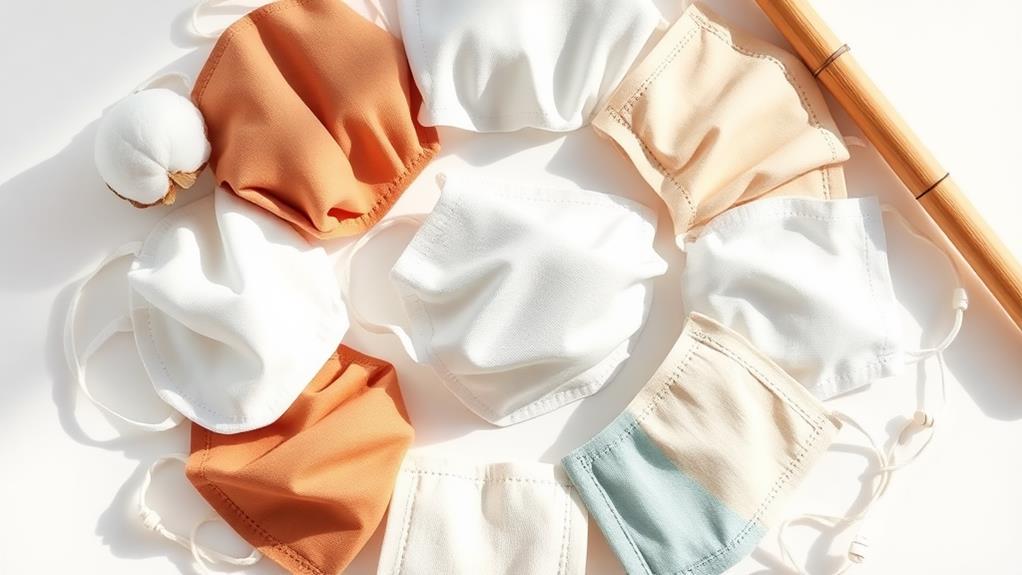
As we search for the best materials for face masks, we've found that tightly woven 100% cotton masks stand out for their effectiveness and gentle touch on the skin.
Cotton's breathability makes it an ideal choice for long-term wear, reducing the risk of skin irritation and minimizing friction and moisture buildup.
Cotton Masks Only
Our go-to choice for face masks is cotton – and for good reason. When it comes to preventing skin irritation and acne, also known as maskne, caused by mask use, tightly woven 100% cotton masks are the way to go.
Cotton masks are gentle on the skin, breathable, and less likely to cause friction or pressure-related breakouts. The soft, natural fabric of cotton masks helps prevent skin irritation and inflammation, making them an ideal choice for daily wear.
Breathable Fabric Choice
Frequently, we find ourselves wondering which fabrics are best suited for face masks. When it comes to preventing maskne and protecting our skin health, the right fabric choice is vital.
We've found that tightly woven 100% cotton masks are the way to go. Not only are they breathable, but they also provide gentle contact with the skin, reducing the risk of skin irritation.
By opting for soft, natural fabrics like cotton, we can prevent mask-induced skin issues, including acne breakouts. Cotton masks allow for better air circulation, minimizing trapped humidity and reducing the likelihood of skin problems. This is essential for maskne prevention, as it keeps our skin healthy and happy.
Importance of Proper Mask Use
As we wear masks to protect ourselves and others from infections, we're also aware that prolonged use can lead to skin issues like mask acne. To prevent this, it's essential we get the basics of mask use right, from ensuring a correct fit to choosing the right materials. By following these skin protection essentials, we can minimize the risk of mask irritation and breakouts.
Skin Protection Essentials
Since we're depending on masks to shield us from infection, it's crucial that we use them correctly to prevent skin problems like mask acne. We're aware that masks can lead to skin irritation due to rubbing, occlusion, pressure, and warmth, making skin protection vital. To prevent skin issues while wearing a mask, selecting the right mask material and fit is important. We should opt for breathable, gentle materials that won't chafe or irritate our skin.
Regularly washing and changing masks, along with following proper mask hygiene, can help safeguard our skin. It's vital to recognize that proper mask use isn't just about preventing infection, but also about preventing skin problems like mask acne. By prioritizing skin protection, we can reduce the risk of skin issues and maintain healthy skin.
Good skin care habits, such as cleansing and moisturizing, can also help prevent mask-induced skin problems. By taking these steps, we can make sure that our skin remains healthy and protected while we're wearing masks.
Preventing Mask Irritation
We're well aware that masks can cause skin irritation and acne, so it's vital we use them correctly to prevent these issues. To prevent mask irritation, we need to focus on proper mask use. This means opting for comfortable masks made of breathable fabrics like cotton, which can reduce skin problems.
Regular mask breaks every 4 hours can also alleviate pressure and friction on the skin, helping to prevent mask acne. Additionally, using masks with different ties and ear loops can prevent soreness and irritation.
It's essential to follow CDC guidelines on mask use and care to maintain skin health during the pandemic. By taking these steps, we can reduce the risk of mask irritation and treat skin problems before they escalate. Proper mask use is key to preventing skin issues, and by being mindful of our mask care, we can protect our skin health.
Skin Care Routine for Maskne
Developing a consistent skincare routine is crucial for promoting healthy skin under our masks. It's common knowledge that mask-induced acne can be frustrating, but with the right routine, we can tackle it.
Here are some essential tips to get you started:
- Use a scent-free cleanser and moisturizer with ceramides or hyaluronic acid for excellent skin protection and hydration.
- Apply moisturizer before and after wearing a mask to preserve skin hydration and barrier function.
- Shield your lips with petroleum jelly to avoid chapping and irritation from mask use.
When to Seek Medical Help
Red flags emerge when our best efforts to prevent maskne aren't sufficient. If our skin issues persist or worsen despite preventive measures, it's time to seek medical help.
We should also consult a doctor if signs of infection, such as redness, swelling, or pus, accompany our mask-induced skin problems. In severe cases, dermatologist intervention is vital, especially if home remedies don't bring improvement.
Medical assistance may be necessary if maskne leads to skin breakdown, scarring, or significant discomfort. We should promptly address any worsening skin conditions, especially if they coincide with continuous mask use.
Don't hesitate to reach out for professional help if our skin issues aren't responding to our self-care efforts. Remember, it's always better to be safe than sorry when it comes to our skin health. By seeking medical help when needed, we can prevent further complications and guarantee effective treatment for our maskne.
Frequently Asked Questions
How Do You Treat and Prevent Maskne?
We treat and prevent maskne by maintaining a consistent skincare routine, seeking dermatologist advice, and incorporating natural remedies like hydration and gentle cleansing, while making lifestyle changes to reduce skin irritation and promoting healthy hygiene practices.
How Can You Avoid Acne Caused by Your Mask?
Wearing a mask is like wearing a petri dish for bacteria – it's a breeding ground for acne. To avoid it, we swear by proper hygiene, breathable fabrics, a consistent skincare routine, oil control, gentle exfoliation, regular cleansing, effective moisturizing, avoiding makeup, staying hydrated, and consulting a dermatologist when needed.
What Is the Meaning of Maskne?
We're happy to clarify: maskne refers to skin irritation, acne breakouts, and pore clogging caused by moisture buildup under face masks, and we're here to guide you on preventing and treating it with a consistent skincare routine, expert dermatologist advice, and gentle cleansing techniques.
What Is the Best Face Mask to Prevent Acne?
We recommend opting for face masks made from breathable, natural materials like 100% cotton, silk, or satin to prevent acne, as they reduce friction and irritation, aligned with dermatologist recommendations and our skincare routine for effective acne prevention.
Conclusion
As we navigate this new normal, let's not let maskne get the best of us. By being proactive about our skin care and taking simple precautions, we can keep our complexions clear and our confidence intact. Remember, a healthy glow is just a few mindful habits away – so let's mask up, sans the maskne!