As we navigate the world of skincare, we're often tempted to turn to quick fixes, especially when it comes to acne. But when we consider using antibiotics to clear up our skin, we need to pump the brakes. We've all heard the warnings about antibiotic resistance, but what does that really mean for our skin? The truth is, relying on antibiotics to combat acne can have far-reaching consequences, from disrupting our skin's natural balance to contributing to the rise of superbugs. So, what's the alternative? Let's explore why we should rethink our approach to acne treatment and uncover the more effective, sustainable options available to us.
Some of the links in this content may be affiliate links. If you make a purchase through these links, we may earn a small commission at no extra cost to you. Thank you.
The Risks of Antibiotic Resistance
We frequently hear about the dangers of antibiotic resistance, and acne treatment is no exception. The rise of antibiotic resistance is a pressing concern, particularly in the context of acne treatment. Overuse of antibiotics has contributed to the development of resistant bacteria, making these medications less effective against acne-causing bacteria like P. acnes.
When we take antibiotics, we're not only targeting the bacteria that cause acne, but also disrupting the balance of our skin's microbiome. This can lead to the emergence of resistant strains, making future treatments more challenging.
As a result, dermatologists are becoming more cautious when prescribing antibiotics, recognizing the long-term risks associated with their use.
Ineffective Antibiotic Treatments for Acne
We've seen how the risks of antibiotic resistance can impact acne treatment, and now it's crucial to understand which antibiotic treatments are ineffective.
For instance, we've found that P. acnes resistance makes topical erythromycin ineffective, and that the severity of acne doesn't correlate with P. acnes counts, making antibiotics less effective.
We'll explore these points further, emphasizing the importance of responsible antibiotic use in acne treatment.
Antibiotic Resistance Risks
Piling up evidence points to a pressing concern: the overuse of antibiotics for acne treatment is backfiring. We're facing a significant problem: antibiotic resistance risks. When we use antibiotics for acne, we're contributing to the growth of resistant bacteria. This increased risk is alarming, especially since acne isn't an infectious disease.
Dermatologists prescribe oral antibiotics, which accelerates the resistance issue. Prolonged antibiotic use for acne can lead to resistant strains of bacteria, posing a significant public health concern.
Our reliance on antibiotics for acne is particularly concerning since they're not the most effective treatment. Additionally, the severity of acne doesn't necessarily correlate with the number of acne-causing bacteria present. We're not only misusing antibiotics but also putting their efficacy at risk for more critical infections.
With no new antibiotic development since the late 1980s, it's essential we reduce antibiotic use for conditions like acne. We need to rethink our approach to acne treatment and explore alternative solutions to preserve the potency of antibiotics.
Lack of Correlation
Behind the widespread use of antibiotics for acne treatment lies an important misconception: the severity of acne doesn't necessarily correlate with the number of acne-causing bacteria present. This means that even if antibiotics successfully eliminate bacteria, they may not effectively treat acne.
In fact, research has shown that the severity of acne doesn't correlate with the number of P. acnes bacteria present. This lack of correlation calls into question the effectiveness of antibiotics as an acne treatment.
In addition, this revelation is particularly concerning given the rise of antimicrobial resistance due to antibiotic overuse. The development of resistance to topical erythromycin, for instance, has made it an ineffective treatment for acne.
Moreover, the dearth of new antibiotics since the late 1980s has made it even more challenging to effectively treat acne with antibiotics. It's essential that we explore non-antibiotic options for acne treatment, especially since dermatologists prescribe only 5% of oral antibiotics in the U.S.
Coming Off Antibiotics for Acne
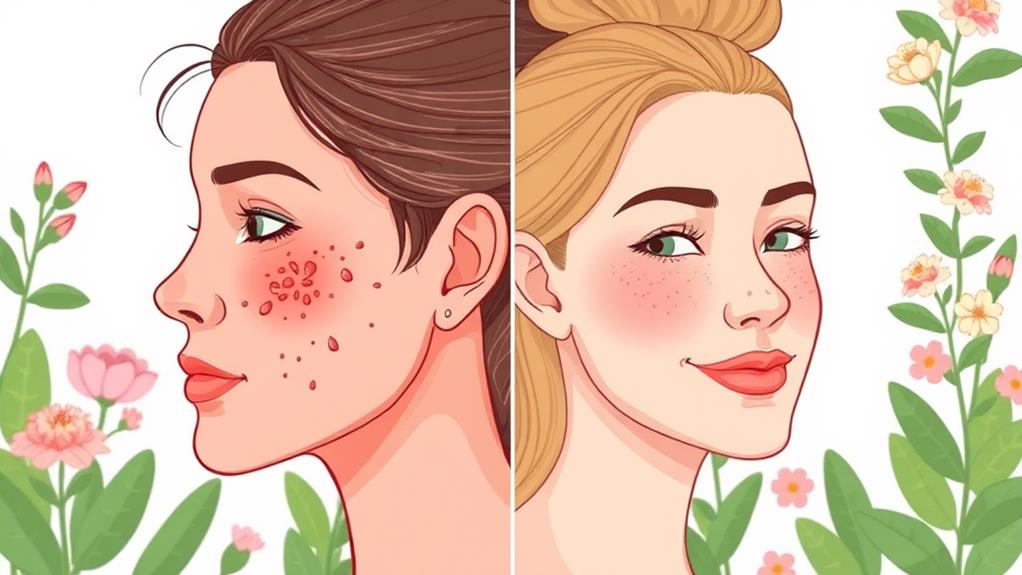
As we consider discontinuing antibiotics for acne, we need to think about how to responsibly wind down our treatment. This means establishing short-term use plans, shifting to topical medications, and minimizing the initial flaring that can occur when switching from oral antibiotics. By doing so, we can guarantee a successful exit from antibiotic use and reduce our exposure to these medications.
Short-Term Use Plans
Most of us who've used antibiotics for acne treatment will eventually need to discontinue them. When that time arises, it's vital to have a plan in place. Dermatologists should establish short-term antibiotic use plans to minimize antibiotic resistance and side effects. This plan should include a clear exit strategy, educating us on the importance of switching from oral antibiotics to topical medications for acne treatment.
Downgrading to anti-inflammatory doses of doxycycline can be an option when discontinuing antibiotics for acne treatment. However, we must be prepared for potential initial flaring of acne. With proper guidance, this can be managed, and we can reduce the risk of antibiotic resistance.
It's important that we're informed about the necessity of shifting from oral antibiotics to topical medications and the potential side effects that may arise.
Transitioning to Topicals
We're finally at the point where we can start gradually reducing our reliance on antibiotics for acne treatment. This is a pivotal step in our journey to healthier skin, and it's crucial to do it correctly. Our dermatologists should establish short-term antibiotic use plans to help us shift smoothly to topicals for acne treatment.
| Progression Step | What to Anticipate |
|---|---|
| Informing patients about topical medications | Educating on the importance of using topical medications after discontinuing antibiotics |
| Decreasing antibiotic doses | Considering reducing to anti-inflammatory doses of doxycycline for a smoother progression |
| Initial flaring | Expecting initial flaring of acne before witnessing improvement |
| Adhering to treatment plans | Emphasizing the significance of sticking to treatment plans even post antibiotics |
| Monitoring progress | Regular check-ins with our dermatologists to monitor progress and make necessary treatment adjustments |
To guarantee success, we need to be informed about the significance of adhering to treatment plans even post antibiotics. By comprehending what to expect during this progression, we can set ourselves up for success and achieve healthier, acne-free skin.
Minimizing Initial Flaring
In the midst of transitioning from antibiotics to topicals, our skin may experience initial flaring – a temporary setback that can be frustrating, but it's a significant part of the process. This phenomenon occurs as our skin adjusts to the new regimen, and it's crucial to minimize its impact.
Dermatologists can help by establishing short-term antibiotic use plans, ensuring we don't rely on antibiotics for too long. Additionally, educating us on the importance of using topical medications alongside or instead of antibiotics is essential.
Downgrading to anti-inflammatory doses of doxycycline can also be an option for some patients. By following treatment plans carefully, we can reduce the likelihood of initial flaring. It's vital to remember that this temporary setback is a step towards more effective, long-term acne management.
Alternative Acne Treatment Options
Our dermatologist's arsenal of alternative acne treatment options is expanding, offering a welcome respite from the overreliance on antibiotics. We're seeing increased use for acne of oral contraceptives, which can help regulate hormones and reduce acne symptoms.
Another medication, spironolactone, has also shown promise in managing acne. For more severe cases, isotretinoin may be considered when other treatments fail.
Topical minocycline gel and sarecycline are newer options that offer alternatives to antibiotics. While not all experimental treatments have been successful – the failed development of topical sebum inhibitors and nitric oxide gel highlight the challenges in finding effective acne treatments – it's clear that dermatologists are committed to exploring a variety of treatment options to reduce their reliance on antibiotics in acne management.
General Recommendations for Acne Treatment
Advancing in acne treatment necessitates a thorough understanding of general recommendations to effectively address this intricate skin condition. We must acknowledge that combining benzoyl peroxide with oral or topical antibiotics is pivotal to reduce resistance. It's crucial to educate patients on the significance of using benzoyl peroxide, despite concerns, for effective treatment.
Topical retinoids are also essential in unclogging follicles and preventing acne in every patient.
Moreover, establishing clear exit strategies for antibiotic use in acne treatment is vital to minimize risks. We need to utilize a complete medication toolbox to explore alternative treatments and minimize antibiotic usage. This ensures that we're not solely depending on antibiotics to treat acne.
Other Treatment Options for Acne
Beyond antibiotics, we're turning to alternative treatments that show promise in combating acne. Instead of relying solely on antibiotics, we're exploring a range of options to tackle acne.
- We're considering non-antibiotic choices like spironolactone and oral contraceptives, which have shown effectiveness in treating acne.
- For certain severe or persistent acne cases, early use of isotretinoin can be beneficial.
- New products like topical minocycline gel and sarecycline offer substitute treatments for acne, providing a departure from traditional antibiotic regimens.
- We're also learning from unsuccessful drugs like topical sebum inhibitor and nitric oxide gel, which highlight the challenges in finding effective acne treatments.
These alternative treatments are essential in moving beyond antibiotics for acne management. By exploring a variety of options, dermatologists can tailor treatment plans to individual patients' needs, reducing the reliance on antibiotics and the potential for antibiotic resistance.
Acne Treatment for Children and Adults
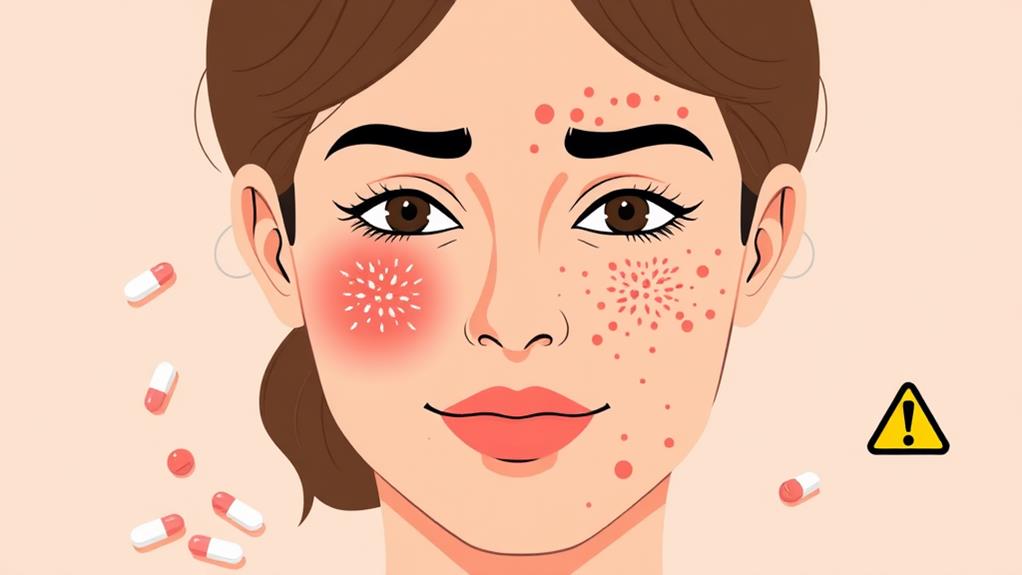
About 85% of people experience acne at some point in their lives, with both children and adults affected. When addressing acne treatment for children and adults, we've effective options that don't involve antibiotics.
For children's acne treatment, we can turn to topical products approved by the FDA, such as benzoyl peroxide, adapalene, and tretinoin. These products have proven effective in managing acne in preadolescent children. Seeking guidance from a pediatric dermatologist to develop a tailored treatment plan for children with acne is crucial.
The American Academy of Dermatology provides guidelines for treating acne in children, and we should consider potential drug interactions, side effects, and growth impact when treating children. By collaborating with a pediatric dermatologist and adhering to these guidelines, we can find the right course of treatment for children.
In the meantime, adults can also benefit from topical products and other non-antibiotic treatments. By exploring these alternatives, we can break free from the cycle of relying solely on antibiotics for acne treatment.
Side Effects and Downsides of Antibiotics
As we delve into the world of antibiotics for acne, we're often compelled to face their darker side. We believe we're resolving one issue, but in reality, we're creating a myriad of others. The side effects and downsides of antibiotics are a major concern, and it's crucial we grasp them.
- We risk disrupting the balance of beneficial bacteria in our gut, leading to digestive issues.
- Our immune system takes a hit, making us more prone to colds and infections.
- The overuse of antibiotics for acne has contributed to the evolution of MRSA, a perilous staph infection.
- Intensive antibiotic use may elevate the risk of developing drug-resistant bacteria.
The list goes on, with studies even suggesting a potential connection between prolonged antibiotic use and an increased risk of breast cancer. It's evident that the overuse of antibiotics for acne is an issue that needs to be tackled. By disregarding these side effects and downsides, we're jeopardizing our overall health.
It's time to reconsider our approach to acne treatment and contemplate alternative methods that don't entail such severe consequences.
Best Ways to Treat Acne Naturally

When it comes to tackling acne, we're fortunate to have an array of natural treatment options that sidestep the pitfalls of antibiotics.
Instead, we can focus on topical treatments like benzoyl peroxide and alpha and beta hydroxy acids, which are effective for managing acne. Additionally, internal treatments such as vitamin A, probiotics, zinc, and omega-3 fatty acids can help address acne from the inside out.
Here's a breakdown of some natural treatments for acne:
| Treatment | Effectiveness | How it Works |
|---|---|---|
| Topical treatments (Benzoyl peroxide, alpha/beta hydroxy acids) | High | Unclog pores, reduce inflammation |
| Vitamin A | High | Regulate skin cell growth, reduce inflammation |
| Probiotics | Moderate | Balance gut bacteria, reduce inflammation |
| Zinc | Moderate | Reduce inflammation, support immune system |
| Omega-3 fatty acids | Moderate | Reduce inflammation, promote healthy skin |
Frequently Asked Questions
Why Should I Not Take Antibiotics for Acne?
We shouldn't take antibiotics for acne because it's not an infectious disease, and they're ineffective. Instead, we should explore natural alternatives, considering the long-term effects on our bodies and the resistance concerns that threaten future treatment options.
Why Is My Acne Worse After Taking Antibiotics?
Like a delicate ecosystem, our skin microbiome is easily upset by antibiotics, sparking a vicious cycle of antibiotic resistance; in the long term, this disruption can worsen acne, making it a problem we can't shake, unfortunately.
How Bad Does Acne Have to Be to Get Antibiotics?
We're often asked how bad acne needs to be to warrant antibiotics, but the truth is, acne severity doesn't necessarily dictate the need for antibiotics; we should prioritize avoiding antibiotic resistance and explore alternative treatments for effective acne management.
Do Antibiotics Work for Hormonal Acne?
When it comes down to the wire, we've got to face the facts: antibiotics don't effectively tackle hormonal acne, which stems from hormonal imbalances. Instead, we should explore topical treatments, diet changes, and hormone-regulating medications to truly get to the root of the issue.
Conclusion
We've reached the end of our journey, and it's clear: antibiotics for acne are a recipe for disaster! By opting for these quick fixes, we're risking a global health crisis, wrecking our skin's delicate balance, and sacrificing long-term results for short-term gains. It's time to wise up and explore alternative solutions that actually work. Let's ditch the antibiotics and adopt a more sustainable, holistic approach to acne treatment – our skin, and the world, will thank us!