We’ve all heard the claim that zinc can help clear up acne, but is it really true? As we explore the connection between zinc and acne, we’ll find that this essential mineral plays a multifaceted role in promoting healthy skin. From reducing inflammation to regulating sebum production, zinc’s benefits extend far beyond just fighting acne-causing bacteria. But how exactly does it work, and what’s the most effective way to harness its power? Let’s take a closer look at the science behind zinc’s impact on acne, and discover how incorporating it into our skincare routine can lead to a clearer, healthier complexion.
Some of the links in this content may be affiliate links. If you make a purchase through these links, we may earn a small commission at no extra cost to you. Thank you.
Zinc Overview and Benefits
As we explore the world of zinc, understanding its multifaceted role in our bodies is essential, especially when it comes to skin health. We’re not just talking about zinc’s importance in treating acne; its benefits extend far beyond that. Zinc is an essential trace element vital for skin repair, wound healing, and fighting infections. It’s abundant in skeletal muscle, bone, and the uppermost skin layer, making it a crucial component of our skin’s health.
Daily consumption of zinc is necessary to avoid deficiencies that can lead to skin issues like eczema and brittle nails. Furthermore, zinc’s anti-inflammatory properties make it effective for reducing swelling and redness in acne.
As we explore further into its benefits, we’ll discover how zinc can be used as an acne treatment. Dermatologists may recommend zinc supplements or zinc-rich foods to help reduce active breakouts and scarring. By maintaining healthy zinc levels, we can improve our skin health and reduce the occurrence of acne.
Zinc’s Role in Skin Health
As we explore zinc’s role in skin health, we’ll examine how deficiencies in this essential mineral can manifest on our skin.
We’ll also look at zinc’s anti-inflammatory effects, which can help mitigate skin issues like acne and other inflammatory conditions.
Zinc Deficiencies in Skin
We’re not born with a zinc reservoir that lasts a lifetime, and that’s why our daily intake of this essential mineral is important to prevent deficiencies. Zinc plays a significant role in skin health, and deficiencies can lead to skin issues like brittle nails, hair loss, eczema, and rashes.
The uppermost layer of our skin contains the highest concentration of zinc, which is responsible for skin repair, protection, and revitalization. So, it’s essential to consume zinc-rich foods like red meat, seafood, poultry, beans, seeds, nuts, and grains to maintain skin health.
Zinc deficiencies can have harmful effects on our skin, leading to conditions like eczema and rashes. However, by including zinc-rich foods in our diet, we can prevent these issues and guarantee our skin stays healthy.
Essentially, our daily zinc intake is important for maintaining skin health, and deficiencies can have serious consequences. By being mindful of our zinc consumption, we can keep our skin healthy and vibrant.
Zinc’s Anti-Inflammatory Effects
Zinc’s anti-inflammatory effects play a significant role in skin health, particularly when it comes to acne-prone skin. We’ve learned that zinc’s anti-inflammatory properties help reduce swelling, redness, and inflammation in acne-prone skin, making it a vital element in our skincare routine.
Additionally, zinc plays an essential role in skin repair, protection, and revitalization due to its anti-inflammatory effects. A zinc deficiency, on the other hand, can lead to skin issues like eczema and rashes, highlighting its significance in skin health.
Intriguingly, the uppermost layer of the skin contains the highest concentration of zinc, underscoring its role in maintaining skin integrity. By consuming zinc daily, we support skin health and avoid deficiencies that can contribute to inflammatory skin conditions like acne.
How Zinc Fights Acne
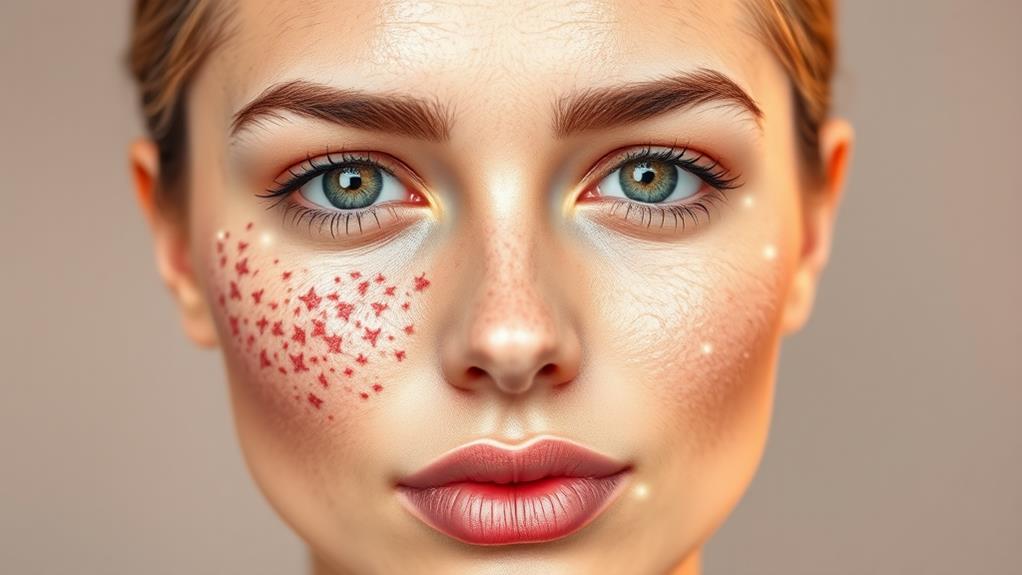
In combating acne, we’ve found that zinc plays a multifaceted role. Not only does it reduce sebum production, but it also fights acne-causing bacteria, helping to clear and prevent breakouts. Its anti-inflammatory properties help to reduce swelling, redness, and inflammation associated with acne lesions.
| Acne Type | How Zinc Helps |
|---|---|
| Inflammatory Acne | Reduces inflammation and fights acne-causing bacteria |
| Noninflammatory Acne | Regulates sebum production and prevents clogged pores |
| Acne Lesions | Reduces swelling, redness, and inflammation |
We’ve also found that zinc can be effective for both inflammatory and noninflammatory acne, addressing different types of acne symptoms. The recommended daily intake of zinc for acne treatment ranges from 40-150mg, depending on the severity of the condition. Zinc can be taken as oral supplements or applied topically through creams, gels, or serums. By incorporating zinc into our skincare routine, we can take a holistic approach to combating acne and achieving healthier, clearer skin.
Using Zinc for Acne Treatment
When it comes to using zinc for acne treatment, our approach should be strategic and deliberate. We need to understand that zinc is effective in reducing inflammation, fighting bacteria, and regulating sebum production to treat acne.
The recommended daily intake of zinc for adults is up to 40mg, but for acne treatment, we may need up to 40-150mg. Oral zinc sulfate is the most easily absorbed form for acne treatment, making it an ideal choice.
Combining zinc supplements with a balanced diet can enhance the effectiveness of acne treatment. Topical zinc, like zinc oxide in sunscreens, not only protects our skin but also aids in skin repair and revitalization.
When considering zinc therapy, we should look for oral zinc sulfate or zinc acetate supplements. Zinc sulphate is also an effective option. By incorporating zinc into our skin care routine, we can experience significant improvements in acne treatment.
With a clear understanding of how to use zinc for acne, we can take a proactive approach to achieving healthier, clearer skin. By making informed choices, we can harness the full potential of zinc for acne treatment.
Potential Risks and Side Effects
While many of us may be eager to reap the benefits of zinc for acne treatment, it’s equally important we’re conscious of the potential risks and side effects associated with its use. As we evaluate zinc’s effectiveness in combating acne, we must also prioritize its safety. Excessive zinc intake can lead to toxicity, resulting in symptoms like nausea, vomiting, and abdominal pain.
Moreover, overuse of zinc supplements can harm our kidneys and stomach, underscoring the significance of proper dosage. Additionally, alcohol consumption can impede zinc’s absorption, impacting its effectiveness. Topical zinc sulfate may cause skin irritation, especially for individuals with sensitive skin.
To avoid these risks and side effects, it’s crucial we consult with a healthcare professional before using zinc-based treatments. By doing so, we can ensure we’re using zinc responsibly and minimizing its potential drawbacks. With awareness and caution, we can harness the benefits of zinc while maintaining our overall well-being.
Combining Zinc With Other Treatments
Utilizing zinc’s acne-fighting potential is often more potent when we combine it with other treatments. One effective pairing is combining zinc with topical antibiotics like erythromycin, which can boost the effectiveness of acne treatment. Using zinc cream or lotion together with antibiotics can provide a powerful solution for managing acne.
Topical zinc can work in synergy with other acne treatments to address various aspects of acne, such as oil production and bacteria. Additionally, integrating zinc supplements with prescribed medications can offer a thorough approach to treating acne. This thorough approach can help tackle multiple factors contributing to acne.
Consulting a dermatologist is crucial to determine the most suitable combination of treatments involving zinc for your specific acne concerns. By combining zinc with other treatments, we can develop a more potent acne management plan. A dermatologist can assist us in selecting the right combination of treatments to achieve outstanding results.
Zinc and Hormonal Acne Management

In our quest to control acne, we’ve come to realize that hormonal acne is a particularly challenging subset of the condition, and we’re often left wondering if zinc can help us tackle this specific issue.
Fortunately, zinc’s ability to regulate oil production in the skin makes it an effective natural solution for managing hormonal acne. Oral zinc supplements have been shown to reduce acne spots associated with hormonal imbalances, and when combined with antibiotics like erythromycin, the treatment of hormonal acne can be notably enhanced.
Additionally, topical zinc creams or lotions, used in conjunction with antibiotics, can provide a potent solution for hormonal acne. Zinc’s anti-inflammatory properties also make it valuable for promoting skin healing and reducing inflammation, which is particularly important for hormonal acne management.
Natural Remedies for Acne-Prone Skin
We’ve explored zinc’s role in managing hormonal acne, but it’s not the only natural solution that can benefit our skin. Natural remedies like diet adjustments, topical vitamins, and zinc supplements can reduce inflammation and promote skin healing, making them a great addition to our skincare routines.
- Botanical extracts such as arbutin, licorice root, and soy can help with skin pigmentation issues commonly seen in acne-prone skin.
- Plant extracts act as antioxidants, providing protection against environmental stressors and promoting overall skin health in individuals with acne.
Incorporating these natural remedies and botanical extracts into our skincare routines can help maintain skin balance, reduce redness, and improve the overall appearance of acne-prone skin.
These natural remedies offer a holistic approach to acne management, complementing traditional treatments and promoting long-term skin health. By incorporating these remedies into our daily routines, we can take a proactive approach to achieving healthy, balanced skin.
Optimizing Zinc Intake for Acne Results
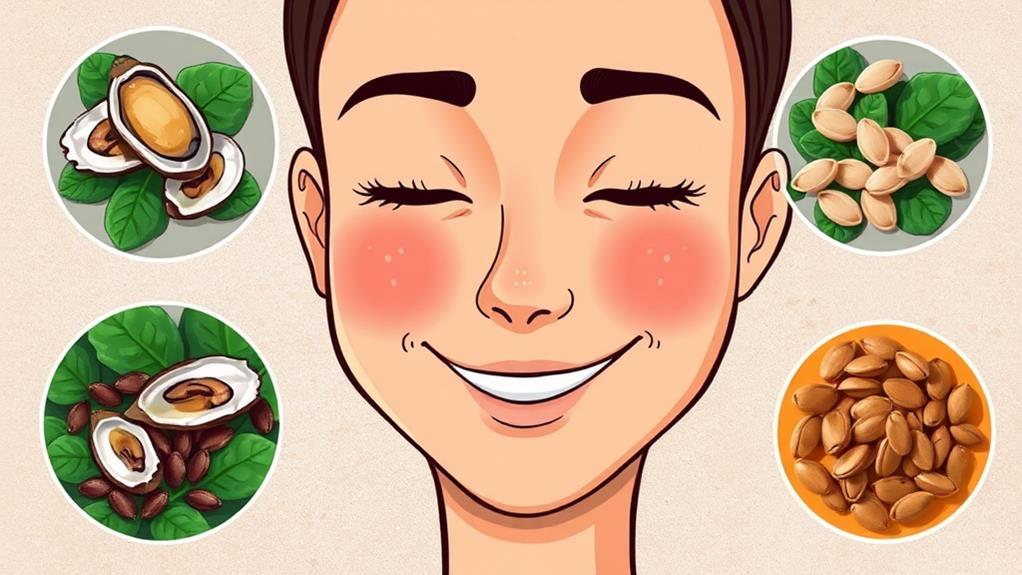
About 40mg of zinc per day is where our focus should be when maximizing our intake for acne results. This daily intake isn’t only the recommended amount for adults but also falls within the range of 40-150mg that’s effective for acne treatment.
To achieve this, zinc-rich foods like oysters, red meat, nuts, and beans should be a staple in our diet. If we’re struggling to get enough zinc through dietary changes, zinc supplements can be beneficial. However, to take them in appropriate dosages to avoid toxicity is vital.
Topical zinc-based medications can also be prescribed by dermatologists for acne management. Before starting zinc supplements, consulting with a healthcare provider to ensure the best intake for acne treatment is necessary. They can provide personalized medical advice on the right zinc dosage for our individual needs.
Frequently Asked Questions
Can Taking Zinc Help With Acne?
We’ve found that taking zinc supplements can indeed help with acne treatment, as it regulates hormonal imbalance, boosts skin benefits, and supports acne prevention, ultimately leading to healthier skin and reducing acne scars, especially when zinc levels are at their best and absorption is efficient.
How Long Does Zinc Take to Clear Hormonal Acne?
As we set off on the journey to clear skin, we’re wondering how long it takes to bid hormonal acne adieu. The magic happens in 6-12 weeks, friends, with consistent zinc dosage, which balances hormonal fluctuations, promoting skin healing and a clear complexion, making it an effective acne treatment and prevention.
Why Does Zinc Break Me Out?
We’ve found that we tend to break out when we’re sensitive to zinc, which can trigger acne due to poor absorption, skin reactions, or excessive dosage; monitoring our zinc intake and adjusting our acne treatment is crucial to maintain healthy skin and prevent adverse side effects.
What Does Zinc Do to Skin?
As we explore zinc’s effects on our skin, we find it promotes overall skin health by enhancing collagen production, decreasing inflammation, and assisting in skin repair, ultimately leading to a clear complexion when our zinc levels are at their best.
Conclusion
We’ve revealed the code to acne-free skin – and it’s all about zinc! By incorporating this powerhouse mineral into our daily routine, we can bid farewell to pesky breakouts and welcome radiant, glowing complexions. And the best part? Zinc is like a superhero sidekick, combating acne-causing bacteria and inflammation along the way. With a personalized approach, we can harness the full potential of zinc and bid acne farewell – forever!